
The Complete Fall Roof Maintenance Checklist for Homeowners
Fall roof maintenance is the single best way to protect your home before winter weather arrives in West Texas. Summer heat, spring hail, and constant sun exposure leave shingles brittle, sealants cracked, and gutters clogged with debris. A structured checklist helps you catch these problems while repairs are still small and affordable. Homeowners who skip fall roof maintenance often discover leaks in December, when contractors are booked and materials cost more. The checklist below covers gutters, shingles, flashing, ventilation, and professional inspections. Each task takes less than an afternoon, and most cost nothing but your time. Start early, work through the list one item at a time, and your roof will be ready long before the first cold front. Your home, your attic, and your energy bills will all benefit from the effort.
What Belongs on a Fall Roof Maintenance Checklist
A complete fall roof maintenance checklist covers three core areas: drainage, roofing materials, and the seals that hold everything together. Gutters and downspouts move water away from your foundation, so they come first. Shingles take the worst of the West Texas sun, and fall is the right time to assess the damage summer left behind. Flashing and sealants around chimneys, vents, and skylights fail quietly, which makes them the most overlooked item on any checklist. Work through these areas in order, and document what you find with photos. Small notes now make insurance claims and repair estimates far easier later. If anything on the list looks beyond a quick fix, call a professional before winter arrives.
Gutter Cleaning for Your Fall Roof Maintenance Checklist
Gutter cleaning sits at the top of every fall roof maintenance checklist for a simple reason: clogged gutters cause water to back up under your shingles. Leaves, mesquite pods, dust, and roofing granules accumulate all summer long in West Texas gutters. When a heavy fall storm hits, that debris blocks the flow and forces water over the edges or back toward your fascia boards. Wet fascia rots quickly, and rotted fascia lets water into your attic. Clean gutters also protect your foundation by directing runoff away from the slab. Odessa and Midland homes sit on expansive clay soils, and uneven moisture around the slab causes cracking. Ten minutes with a ladder and a scoop can prevent thousands of dollars in structural repairs. Schedule this task for early fall, then check again after the first strong wind.
Start by removing large debris by hand or with a plastic gutter scoop. Avoid metal tools, because they scratch the protective coating inside aluminum gutters and invite rust. Flush the entire run with a garden hose and watch how the water moves toward the downspouts. Slow drainage means a clog deeper in the system, often at the downspout elbow. Disconnect the elbow and clear it, then flush again until water runs freely. While you work, look for sagging sections, loose hangers, and separated seams. Tighten hangers with a screwdriver and reseal minor seam gaps with gutter sealant. Any section pulling away from the roofline needs new hangers before winter storms add weight.
Pay attention to what comes out of your gutters, because the debris tells a story about your roof. A thick layer of granules that looks like coarse sand means your shingles are shedding their protective surface. Granule loss accelerates after hail strikes and prolonged heat, both common in the Permian Basin. Small amounts are normal on newer roofs; heavy accumulation on an older roof signals shingles nearing the end of their life. Take a photo of the granule buildup and note the date. Compare that photo to what you find next fall, and you will have real evidence of your roof’s condition. If the loss looks severe, get a professional opinion before deciding on repairs. Concerned about granule loss or worn shingles? Click here for our roof repair service.
Shingle Inspection on the Fall Roof Maintenance Checklist
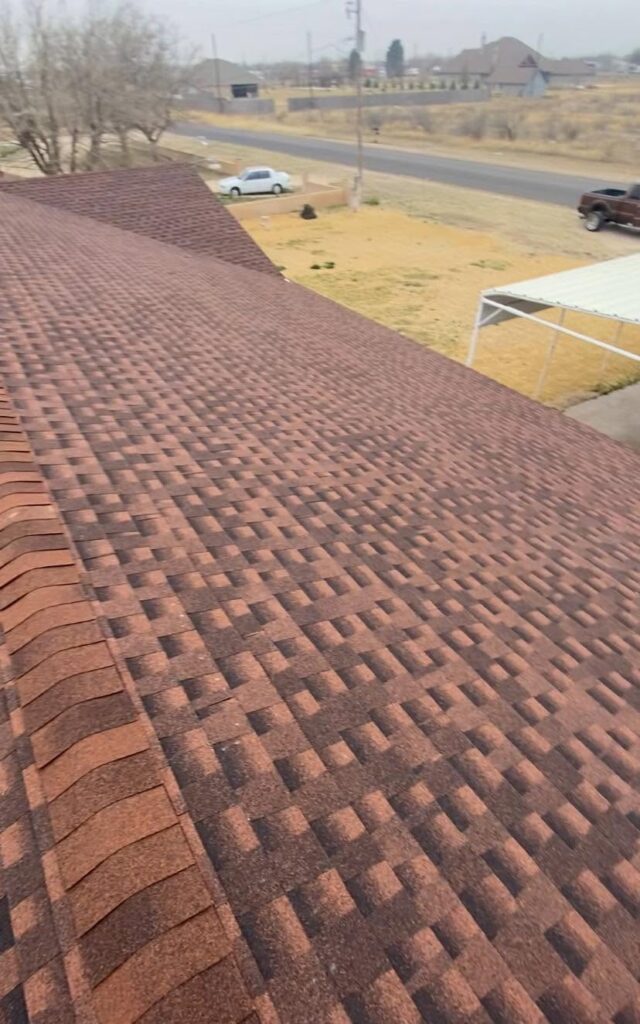
Shingle inspection is the most important visual task on your fall roof maintenance checklist. West Texas summers push roof surface temperatures past 150 degrees, and that heat dries out the asphalt binders inside every shingle. By fall, the damage shows up as curling edges, cupping, cracking, and blistering. Walk the perimeter of your home with binoculars and scan each roof plane slowly. Look for shingles that sit unevenly, corners that lift, and dark patches where granules have worn away. Check the south and west facing slopes with extra care, since they absorb the most sun. Missing shingles are obvious, but loose ones are the real threat because fall winds will finish the job. Mark every problem area on a simple sketch of your roof so nothing gets forgotten.
Hail season in the Permian Basin runs through spring and summer, and fall is when hidden hail damage finally becomes visible. Hail bruises shingles by crushing the granules into the asphalt mat, and those bruises weaken over months of heat. Look for circular dark spots, dented metal vents, and dinged gutters, since metal damage confirms hail reached your roof. Insurance policies typically limit claim windows to one or two years after the storm date. Waiting past fall could mean waiting past your filing deadline. Document everything with dated photos taken from the ground or a ladder at the eave. Never walk a roof you suspect is damaged, because bruised shingles crack underfoot. A professional inspection provides the documentation adjusters expect and keeps you safe.
Age matters when you evaluate what your shingle inspection reveals. A five year old roof with a few lifted tabs needs simple repairs, and those repairs will hold for years. A fifteen year old roof showing widespread curling, heavy granule loss, and multiple cracked shingles is telling you something different. Patching a failing roof wastes money, because each repair buys months instead of years. Compare the cost of repeated repairs against the value of a new roof with modern materials and a fresh warranty. PB Roofing applies full credit from your roof repairs toward a future replacement, so no repair dollar is ever wasted. That policy lets you fix urgent problems now without losing that investment later. Wondering if your shingles are past saving? Click here for our roof replacement service.
Flashing and Sealant Checks in Fall Roof Maintenance
Flashing and sealant checks round out the hands on portion of your fall roof maintenance checklist. Flashing is the thin metal installed wherever your roof meets a wall, chimney, skylight, or plumbing vent. These transition points handle more water than any open field of shingles, which makes them the most common source of leaks. Summer heat expands metal flashing daily, and cool nights contract it, so fasteners loosen and seams open over time. Inspect every flashing point for lifted edges, rust streaks, and gaps between the metal and the surface it protects. Chimney flashing deserves special attention, because chimneys move independently from the roof structure. Even a gap the width of a credit card lets wind driven rain into your attic. Fall is the last comfortable season to make these fixes before cold weather stiffens sealants.
Sealants fail faster than flashing, and West Texas UV exposure is the reason. Roofing caulk and mastic around pipe boots, vent collars, and satellite mounts dry out, shrink, and crack after two or three summers. Rubber pipe boots are the worst offenders; the neoprene collar splits right where it grips the pipe. Inspect every penetration on your roof and press gently on the sealant with a gloved finger. Brittle, cracked, or chalky sealant needs to be removed and replaced, not simply covered with a new layer. Layering fresh caulk over failed caulk traps moisture and hides the problem until it becomes a leak. Use a high quality polyurethane or silicone sealant rated for roofing applications. A ten dollar tube applied correctly in October prevents a ceiling stain in January.
Do not stop at the roof surface, because your attic tells you what the flashing missed. Pick a bright afternoon and climb into the attic with a flashlight turned off. Pinpoints of daylight around vents, chimneys, or nail holes mark exact leak paths. Then turn the flashlight on and scan the underside of the decking for water stains, dark streaks, and matted insulation. Check that your attic ventilation is clear, since blocked soffit vents trap moisture and cook shingles from below. Proper airflow extends shingle life and cuts summer cooling costs, a real benefit in Odessa. Note every stain location relative to a vent or valley above it. Bring that list to your roofer, and the inspection becomes faster and more accurate.
How Fall Roof Maintenance Protects West Texas Homes
Fall roof maintenance matters more in West Texas than almost anywhere else because of what our climate does year round. Summer delivers triple digit heat that bakes shingles for months without relief. Spring and summer bring hail that bruises roofing materials across Odessa, Midland, and the surrounding towns. Winter arrives with hard freezes, ice events, and the relentless wind that defines the Permian Basin. Fall is the only calm window between those extremes, which makes it the natural season for inspection and repair. A roof serviced in October enters winter sealed, secured, and documented. A roof ignored in October enters winter with every summer wound still open. The difference shows up in your ceiling, your energy bill, and your insurance file.
Fall Roof Maintenance Before Winter Wind and Cold
Fall roof maintenance prepares your roof for the specific stresses winter brings to the Permian Basin. West Texas winters are not gentle; sustained winds of 30 to 50 miles per hour arrive with nearly every cold front. Those winds exploit any shingle that summer heat loosened, peeling it back and exposing the underlayment beneath. Once wind gets under one shingle, it works down the row like a zipper opening. A single missing shingle in November can become a bare patch of decking by February. Securing loose shingles in fall costs a fraction of replacing a wind stripped section in winter. Roofing cement and replacement fasteners applied on a warm October day bond properly. The same repair attempted at 35 degrees often fails because adhesives will not cure in the cold.
Freeze cycles create a second winter threat that fall roof maintenance directly prevents. Water finds its way into cracked sealant, lifted flashing, and hail bruises during fall rains. When temperatures drop below freezing, that trapped water expands roughly nine percent and forces the cracks wider. Each freeze and thaw cycle repeats the process, turning hairline gaps into open leak paths by spring. Odessa sees dozens of freeze cycles in a typical winter, so the damage compounds quickly. Sealing every crack and gap in October means there is no water to freeze in December. This one preventive step protects flashing, sealants, and the shingle mat itself. It is the cheapest insurance your roof will ever get.
Cold weather also punishes homeowners who wait, because winter repairs cost more in every way. Contractors slow down when temperatures drop, since many roofing materials cannot be installed safely below 40 degrees. Emergency leak calls spike after the first hard freeze, and schedules fill fast across Midland and Odessa. You pay premium rates for emergency work, then wait longer for permanent fixes when the weather allows. Fall maintenance flips that entire equation in your favor. You choose the timing, compare estimates without pressure, and get quality work at standard rates. PB Roofing provides a free, no obligation estimate on every project, so planning ahead costs you nothing. The homeowners who call in October are the ones sleeping soundly in January.
Fall Roof Maintenance After Summer Heat and Hail Season
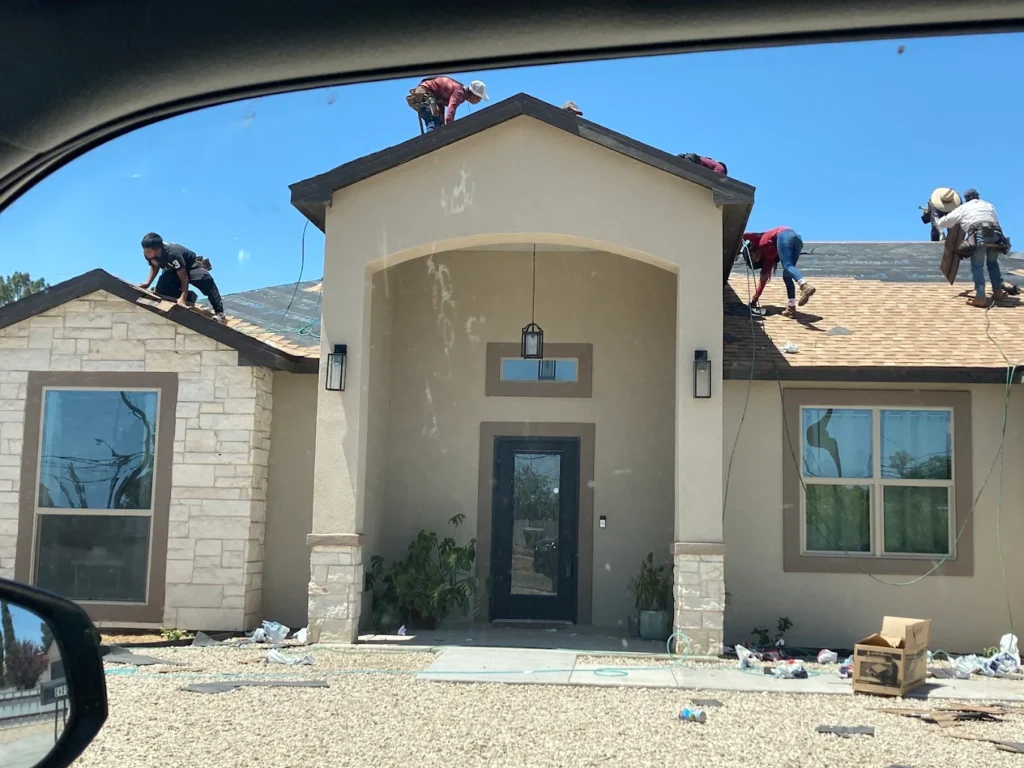
Fall roof maintenance serves as your damage assessment after the hardest months your roof will face. Summer in the Permian Basin is brutal on asphalt shingles, and the effects accumulate invisibly. Thermal cycling between 105 degree afternoons and 75 degree nights flexes shingles thousands of times per season. That flexing fatigues the asphalt mat, breaks the seal strips between courses, and loosens nails a fraction at a time. UV radiation simultaneously breaks down the oils that keep shingles flexible. By September, a roof that looked fine in May may have dozens of compromised shingles. None of this damage announces itself with a leak right away. Fall inspection is how you find it before winter weather does.
Hail damage deserves its own line on the fall checklist because West Texas hail season peaks in late spring and summer. Storms that dropped quarter sized or larger hail across Odessa, Midland, Andrews, and Big Spring left marks on thousands of roofs. Some damage is obvious, like cracked shingles and dented vents. Most of it hides as bruising, where the impact crushed granules and fractured the fiberglass mat underneath. Bruised shingles fail months later, usually during the first winter storm after the hail event. Fall gives you the chance to find that bruising while your insurance claim window is still open. Adjusters respond faster in fall than during the post storm rush of summer. Document now, file now, and repair before the damage spreads.
The financial logic of post summer inspection is hard to argue against. Insurance carriers in Texas commonly require claims within one year of the storm date, and some policies allow two. A hail event from May 2026 may become unclaimable by May 2027, no matter how bad the damage gets. Homeowners who skip fall inspection often discover hail damage during a winter leak, after the deadline has passed. At that point, the full replacement cost comes out of pocket instead of a deductible. A professional fall inspection creates the dated documentation adjusters require. It also separates true hail damage from ordinary wear, which keeps your claim credible. One afternoon of inspection protects tens of thousands of dollars in coverage.
Fall Roof Maintenance Lowers Long Term Repair Costs
Fall roof maintenance is the most reliable way to lower the lifetime cost of owning a roof. Roofing problems never get cheaper with time; they only compound. A lifted shingle costs a few dollars in cement to secure in October. Left alone, wind removes it, water enters, and the decking below begins to rot. By spring, that one shingle has become a decking repair, an underlayment replacement, and possibly an insulation and drywall job inside. Industry data consistently shows that deferred roof maintenance multiplies repair costs several times over. The pattern repeats with every component on the checklist, from gutters to flashing to sealant. Small, scheduled attention beats large, emergency spending every single year.
Consistent fall maintenance also extends the total lifespan of your roofing system. An asphalt shingle roof in West Texas typically lasts 15 to 25 years depending on material quality and care. Neglected roofs land at the bottom of that range or below it, while maintained roofs reach the top. The difference comes from small interventions: clearing debris that traps moisture, resealing penetrations, replacing individual damaged shingles promptly. Each of those actions stops a decay process before it spreads to surrounding materials. Ventilation upkeep matters just as much, since a properly vented attic keeps shingles cooler and slows aging. Stretching a roof from 15 years to 22 years delays a five figure replacement by most of a decade. No other home maintenance habit returns that much value for that little effort.
Maintenance records pay off even when replacement day finally arrives. A documented history of inspections and repairs supports insurance claims and demonstrates the roof failed from a covered event, not neglect. Carriers scrutinize claims on poorly maintained roofs and sometimes reduce payouts to actual cash value. Your fall photos, notes, and receipts become evidence that protects your settlement. Those same records raise buyer confidence if you ever sell, since inspectors and lenders look hard at roof condition. When replacement does come, PB Roofing credits every dollar of past repair work toward the new roof. Maintenance, under that policy, is never sunk cost. It is a down payment on the roof your home will wear next.
Why You Need Professional Fall Roof Maintenance From PB Roofing
A homeowner checklist catches the obvious problems, but a professional inspection catches the ones that cause winter leaks. Trained roofers see fatigue patterns, subsurface hail bruising, and flashing failures that binoculars from the ground will never reveal. They also walk roofs safely, with the equipment and experience that ladder accidents statistics prove most homeowners lack. Fall is the ideal season to schedule that inspection, before cold fronts fill every contractor’s calendar. PB Roofing serves Odessa, Midland, Andrews, Big Spring, and communities across the Permian Basin. One professional visit in fall turns your checklist from a hopeful exercise into a verified plan.
Professional Fall Roof Maintenance Catches Hidden Damage
Professional fall roof maintenance finds damage that ground level inspections simply cannot detect. Hail bruising, for example, often shows no visible mark from below. A trained inspector feels for soft spots by hand and recognizes the subtle granule displacement patterns hail leaves behind. Fastener backout, cracked pipe boots, and separated valley metal all hide from binoculars. Attic side moisture staining requires knowing exactly where to look and what early rot smells like. Missing any one of these leads directly to a winter leak.
Professionals also evaluate how problems connect, which is where real diagnostic value lives. A homeowner sees a curled shingle; a roofer sees a ventilation failure overheating that entire slope. A homeowner sees a gutter stain; a roofer traces it to a flashing gap eight feet upslope. Understanding cause prevents the frustrating cycle of repairing the same symptom every year. That systems level view comes only from inspecting thousands of roofs across the same climate. It is the difference between patching and actually fixing.
Documentation is the final advantage a professional inspection provides. PB Roofing inspections produce photos, measurements, and written findings you can act on immediately. That report supports insurance claims, prioritizes repairs by urgency, and creates a baseline for next year. You learn exactly what needs attention now and what can safely wait. There is no guesswork and no pressure, because every estimate is free with no obligation. Ready to know what your roof actually needs? Click here to schedule with our roof repair team.
Professional Fall Roof Maintenance Keeps Warranties Valid
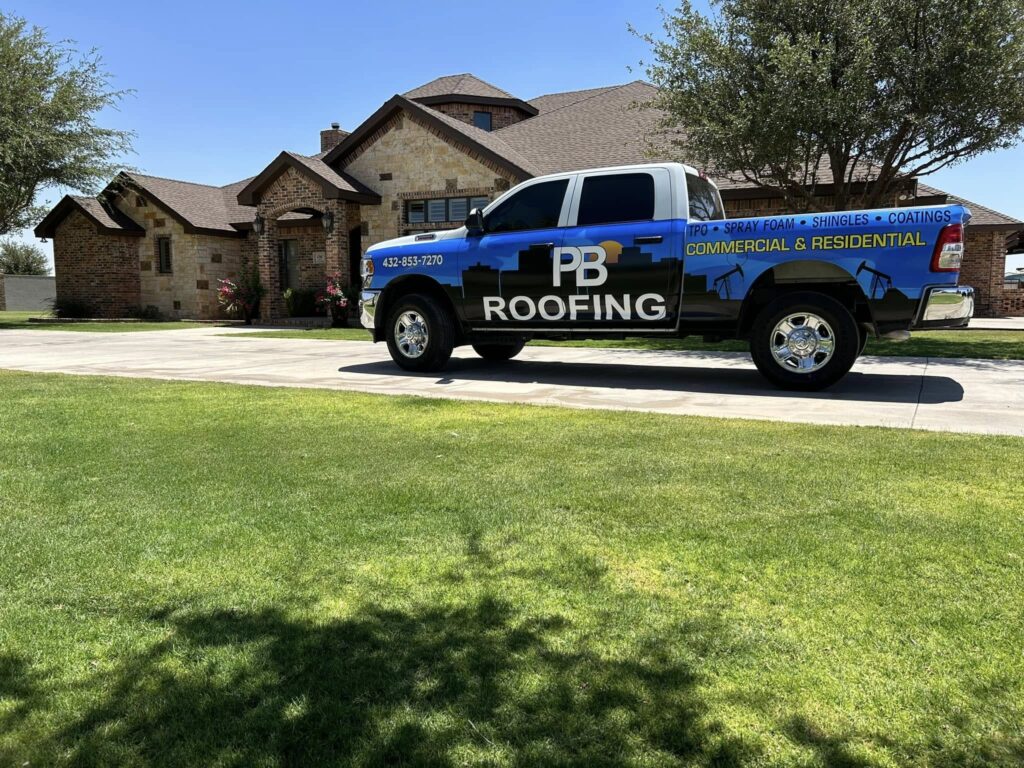
Professional fall roof maintenance protects the warranties that protect your investment. Shingle manufacturers like IKO and Owens Corning back their products with warranties that can span decades. Those warranties carry conditions, and improper repairs are one of the fastest ways to void them. A homeowner who nails a patch incorrectly or uses incompatible sealant can forfeit coverage on the entire roof. Professional maintenance follows manufacturer specifications exactly, keeping every protection intact. That discipline matters most in fall, when repair activity peaks before winter.
Certified installation status raises that protection even higher. PB Roofing is a preferred contractor for both IKO and Owens Corning, which reflects factory training and verified workmanship standards. Preferred contractors can register enhanced warranty tiers that ordinary installers cannot offer. Those upgraded warranties often extend material coverage and add workmanship protection from the manufacturer itself. Work performed by a preferred contractor also holds up under warranty claim review. Your paperwork stays clean, and your coverage stays enforceable.
Labor warranties complete the picture, because materials are only half of any roof. PB Roofing backs every replacement job with a 4 year labor warranty. That commitment means installation issues get corrected at no cost, long after the crew leaves. Few contractors in the Permian Basin stand behind their work for that long. Combined with manufacturer coverage, your roof is protected from both directions. Thinking about a new roof this fall? Click here for our roof installation service.
Why Choose PB Roofing for Fall Roof Maintenance
PB Roofing has earned the trust of Permian Basin homeowners through consistent, verifiable performance. The company holds an A+ rating with the Better Business Bureau, a standard maintained through honest estimates and completed promises. Preferred contractor status with IKO and Owens Corning confirms that manufacturers trust the workmanship too. Local ownership means the team understands West Texas heat, hail, and wind from direct experience. When a company’s reputation lives in the same towns as its customers, quality is not optional. That accountability shows in every fall inspection and repair.
The service policies remove every common reason homeowners delay roof care. Every estimate is free with absolutely no obligation, so learning your roof’s condition costs nothing. Roof repairs are paid forward, meaning full credit from repair work applies toward a future replacement. That policy makes fall maintenance a risk free investment instead of a gamble. Replacement customers receive a 4 year labor warranty on top of manufacturer coverage. Few roofing companies anywhere structure their business this much in the customer’s favor.
Coverage across the region means help is never far away. PB Roofing serves Odessa, West Odessa, Midland, Andrews, Big Spring, Fort Stockton, Kermit, Lamesa, Monahans, Pecos, and Seminole. Fall schedules fill quickly once the first cold front is in the forecast, so early booking secures your spot. One call gets your complete fall roof maintenance checklist handled by professionals before winter arrives. Reach the team at (432) 853-7270 or email seanjr@roofingpb.com to schedule your free inspection today. Your roof carried you through summer; give it what it needs for winter.