
Can You Replace a Roof in the Fall or Winter
Yes, you can replace a roof in the fall or winter, and in West Texas those months are often the smartest time to do it. Odessa and the surrounding Permian Basin see mild winter daytime temperatures compared to most of the country, with December and January highs frequently landing in the upper 50s and low 60s. That range sits comfortably inside what asphalt shingle manufacturers allow for installation. Fall brings even better conditions, with dry air, steady sun, and fewer of the pop up thunderstorms that stall summer projects. The real question is not if a roof can be installed in cooler weather; it is how the crew adjusts for it. Temperature changes how shingles bend, how adhesive strips activate, and how fasteners seat into decking. A contractor who understands those adjustments will deliver the same quality in November that another crew delivers in June. A contractor who ignores them will leave you with loose tabs and a wind claim before spring. Below is a clear look at what actually changes when the weather cools, and why waiting until next summer usually costs you more than it saves.
What Happens When You Replace a Roof in the Fall or Winter
Cooler weather does not stop a roof replacement, but it does change the process in specific, measurable ways. Asphalt shingles rely on a strip of adhesive along the surface that softens under sun and heat, then bonds each course to the one below it. When the air is warm, that bond forms within hours. When the air is cold, it can take days or weeks, and sometimes it needs help. Shingles also lose flexibility as temperatures drop, which affects how they are cut, bent over hips, and wrapped around valleys. Fasteners behave differently too, since a stiffer shingle mat and a colder deck resist the nail head in ways a compressor setting has to account for. None of this is a barrier. It simply means the crew works to a different set of rules, and those rules come straight from the manufacturer.
Shingle Sealing When You Replace a Roof in the Fall or Winter
Every architectural shingle carries a factory applied adhesive strip that fuses the courses together into a single wind resistant surface. Heat and direct sunlight activate that strip, which is why a roof installed in July seals almost immediately. Once temperatures fall below roughly 40 to 45 degrees, activation slows considerably, and on overcast winter days it may not happen at all until the sun returns. Manufacturers anticipate this and publish cold weather instructions for exactly this situation. Those instructions call for hand sealing, which means placing a dab of asphalt roof cement about the size of a quarter under each shingle tab in the areas the manufacturer specifies. It is slow, deliberate work, and it is the single biggest difference between a good winter install and a bad one. Skipping it is the reason some homeowners see tabs lift during the first big front that rolls through the Basin.
Hand sealing matters more here than it does in most of the country because of what our wind does. The Permian Basin regularly sees sustained gusts that would be considered a wind event elsewhere, and an unsealed shingle is essentially a flap waiting to catch air. A properly hand sealed roof performs at its rated wind resistance from day one instead of waiting on spring sunshine. The cement also has to be applied in the right amount, since too much can cause blistering and telegraphing through the shingle face. Placement matters as well, because dabs set too close to the exposed edge can bleed and stain. This is the kind of detail that separates trained crews from seasonal labor. It costs a little more time on the front end and saves an enormous amount of trouble later.
There is a second sealing consideration that gets overlooked, and it involves self adhering membranes. Ice and water barrier, the peel and stick product used in valleys and around penetrations, depends on a pressure sensitive adhesive that grips best in warm conditions. In colder weather that adhesive can be sluggish, so the deck has to be clean, completely dry, and free of frost before the membrane goes down. Some products are rated for lower application temperatures and some are not, so material selection genuinely matters in November and December. Rolling the membrane firmly with a weighted roller improves contact and helps the bond set. A primer is sometimes required on the deck to get reliable adhesion in cool conditions. Doing this correctly protects the most leak prone areas of your roof for its entire service life.
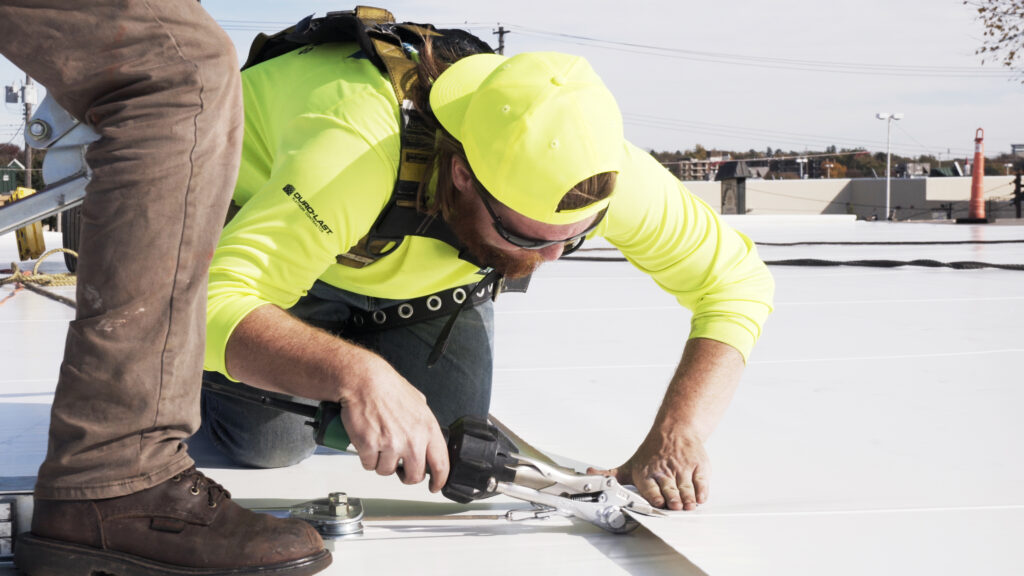
Crew Schedules and Daylight When You Replace a Roof in the Fall or Winter
The shorter day is the most practical change to a fall or winter roof replacement, and it affects planning more than quality. In late December, Odessa gets roughly ten hours between sunrise and sunset, and useful working light is shorter than that. Morning frost and heavy dew add another delay, since walking a frosted deck is genuinely dangerous and no responsible crew will do it. That often pushes the start time to mid morning rather than first light. A tear off that would take one day in July might stretch across a day and a half in January. Good contractors plan for that by sizing the crew appropriately and by never opening more deck than they can dry in before dark. The result is a project that runs on a slightly longer calendar with no compromise in workmanship.
Sequencing becomes more important as the days shorten. On a summer job, a crew can strip a large section of roof and still have hours of daylight to get underlayment and shingles down. In cooler months, the smarter approach is to work in tighter sections, stripping and drying in the same area before moving on. That way your home is never exposed to an overnight temperature drop or a surprise front. Weather in West Texas can turn quickly in the fall, and a blue sky at nine in the morning does not guarantee the same conditions at four in the afternoon. Experienced crews watch the forecast hour by hour and keep tarps staged and ready. This kind of discipline protects your decking, your insulation, and your ceilings.
There is an upside to the seasonal calendar that most homeowners never hear about. Roofing companies across Texas run at maximum capacity from late spring through early fall, when hail season floods the market with claims and every crew is booked out for weeks. Demand softens once the weather cools, which means shorter waits, more attentive project management, and crews that are not rushing to the next job. Material availability tends to improve as well, since supplier inventory recovers after the summer surge. If you have been putting off a replacement because your last three calls went to voicemail, this is the window where that changes. Scheduling now also means your new roof is on before the next storm season starts. Ready to get on the calendar? Click here for our roof replacement service.
Material Handling Rules for a Fall or Winter Roof Replacement
Asphalt shingles are a composite of fiberglass mat, asphalt, and mineral granules, and asphalt stiffens as it cools. A shingle that flexes easily at 80 degrees can crack or split when bent sharply at 35 degrees. That matters most at hips, ridges, and valleys, where the material has to conform to an angle rather than lie flat. The fix is straightforward and it starts before the shingle ever reaches the roof. Bundles should be stored somewhere warm, ideally indoors or in a heated trailer, and brought up in smaller quantities as they are needed. Working from warm bundles keeps the material pliable and dramatically reduces cracking. Crews should also avoid stacking bundles in a way that pressures the adhesive strips together, since cold shingles are more prone to tearing when separated.
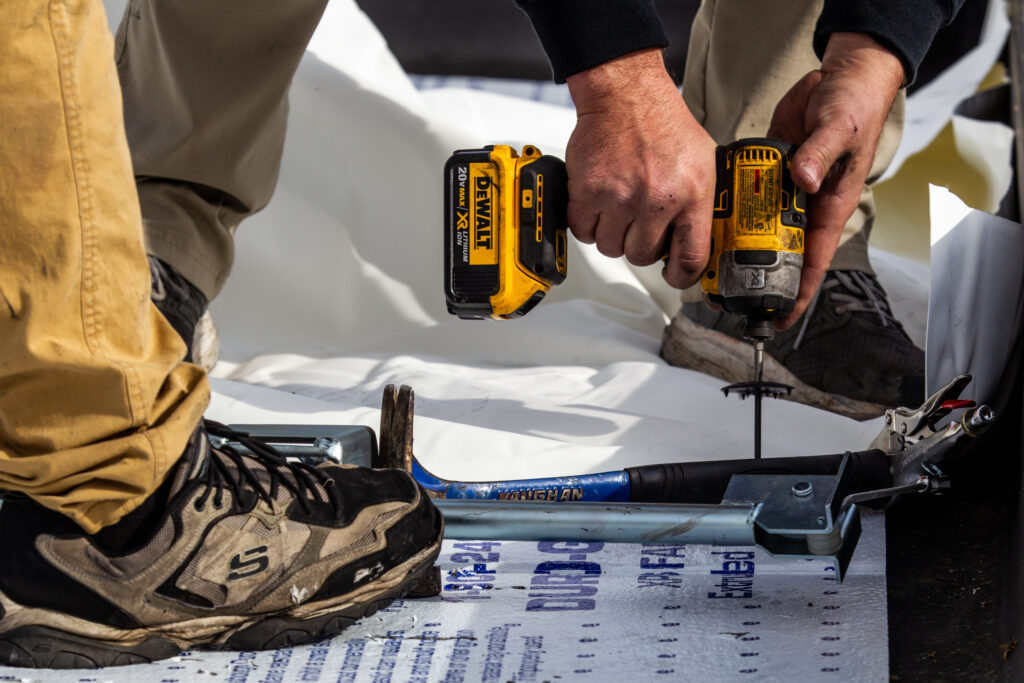
Fastening deserves the same attention. Nail guns run on compressed air, and cold weather affects both compressor performance and the resistance of the shingle mat. Pressure that was perfect in the morning can drive nails too deep by afternoon as the day warms and the material softens. Overdriven nails cut through the mat and destroy holding power; underdriven nails leave heads standing proud and create bumps that wear through the shingle above. Crews should check nail depth by hand throughout the day and adjust settings accordingly. Nail placement also has to stay within the manufacturer’s designated nailing zone, which is a narrow band on architectural shingles. Getting these fundamentals right is far more important to your roof’s lifespan than the brand name printed on the wrapper.
Deck preparation is the last piece of the material puzzle. Any decking that is wet, frosted, or soft has to be addressed before new material goes over it, and cooler weather makes moisture linger longer than it does in summer. Rotten or delaminated sheathing gets replaced, not covered, because fasteners cannot hold in compromised wood. Synthetic underlayment performs well across a wide temperature range and lays flat without wrinkling, which makes it a strong choice in cool conditions. Drip edge, valley metal, and pipe flashings should all be installed to manufacturer specification regardless of the season. If your existing roof has areas of trapped moisture from an earlier leak, those spots need to dry or be replaced outright. A dry, sound deck is the foundation everything else depends on.
The Best Time to Replace a Roof in the Fall or Winter in the Permian Basin
Fall is arguably the single best season to replace a roof in Odessa, Midland, Andrews, and the surrounding communities. Daytime temperatures settle into a range that activates shingle adhesive naturally, humidity stays low, and the daily storm risk drops off sharply. Winter remains a strong option here because our cold snaps are short and our sunny days are plentiful. The Basin averages a high number of clear days per year, and sun on a dark shingle surface raises the roof deck temperature well above the ambient air reading. That solar assist is a real advantage over northern climates where winter installation is genuinely difficult. The practical planning question is which specific conditions to target and which to avoid.
Temperature Targets for a Fall or Winter Roof Replacement
The general benchmark most manufacturers use is 40 degrees Fahrenheit, and above that number, standard installation practices apply with minimal modification. Between roughly 40 and 70 degrees, you are in an ideal window: warm enough for the sealant to activate reliably, cool enough that crews work efficiently and shingles do not scuff underfoot. That range describes most fall days in Odessa and a large number of winter afternoons as well. Below 40 degrees, hand sealing becomes necessary and material handling gets stricter, but installation is still fully permitted. Below freezing, work should generally pause, mostly because of safety and because frost on the deck prevents proper adhesion. A contractor who tells you 50 degrees is too cold to roof is either uninformed or looking for an excuse.
Surface temperature is a more meaningful number than air temperature, and it is one homeowners rarely hear about. A dark shingle in direct West Texas sun can measure 20 to 30 degrees warmer than the surrounding air. That means a 45 degree January afternoon with clear skies produces a roof surface warm enough for the adhesive strips to begin bonding. South facing and west facing slopes warm fastest, while north facing slopes stay cooler and may need more attention. A good crew reads the roof, not just the thermometer, and adjusts hand sealing by slope and exposure. This is exactly the kind of judgment that experience provides and a checklist cannot.
Timing within the day matters too. Starting a cold weather install at seven in the morning accomplishes very little, since frost has not burned off and the material is at its stiffest. Waiting until mid morning lets the deck dry and lets the sun do part of the work for you. Afternoon is the productive window in winter, and crews should be closing up and drying in before the temperature falls again. Warm days that follow a cold night still require care, because the deck holds cold longer than the air does. A crew that structures the day around these realities finishes faster with fewer problems. Homeowners benefit from understanding this because it explains why a winter job may start later in the morning than expected.
Wind and Storm Timing for a Fall or Winter Roof Replacement
Wind is the defining weather factor in the Permian Basin, and it shapes roofing decisions more than cold ever will. Spring brings our strongest and most persistent winds, which is one reason fall installation is so appealing. A roof installed in October has months to fully seal before the March and April wind season arrives. That head start translates directly into wind resistance, since sealed shingles perform as a bonded system rather than as individual pieces. Unsealed shingles are the ones that lift, crease, and tear. This single scheduling advantage is worth more than most homeowners realize.
Hail is the other major consideration, and West Texas sees the bulk of its hail activity from spring into early summer. Replacing a roof in the fall or winter puts a fresh, impact ready system on your home ahead of that season instead of after it. If your current roof already has hail damage from an earlier storm, cooler months are the right time to address it rather than gambling on another season of exposure. Small punctures and bruised mat material get worse with every freeze and thaw cycle, and granule loss accelerates once the surface is compromised. Waiting rarely improves the situation. Not sure what your current roof needs? Click here for our roof repair service.
Dust and blowing sand deserve a mention as well, since they are part of life in this region. High wind days make roofing unsafe, unpleasant, and lower quality, because loose material becomes a hazard and underlayment will not lie properly. Fall and winter generally deliver more calm days than spring does, which means fewer weather cancellations on your project. Crews can plan realistic multi day schedules instead of losing afternoons to blowing dust. That predictability is good for you and good for the quality of the finished work. It also reduces the number of days your property has crew, equipment, and material staged around it.
Insurance and Budget Reasons to Replace a Roof in the Fall or Winter
If your roof was damaged by a storm earlier in the year, the claim timeline is a practical reason not to wait. Insurance policies contain notice requirements and deadlines, and unaddressed damage that worsens over time can complicate a claim. Carriers may also question damage that is reported long after the storm event that caused it. Getting an inspection and documentation in place during the fall keeps your options open and your file clean. A qualified roofer can identify hail bruising, wind creasing, and lifted tabs that are not visible from the ground. That documentation is valuable regardless of what you decide to do next.
Budget timing works in your favor during the cooler months as well. Many homeowners plan large expenses around the end of the year, and a fall or winter replacement fits that calendar. Contractor schedules are less compressed, which often means more flexibility in start dates and better communication throughout the project. Supply chains also stabilize after the peak summer demand, reducing the odds of a material backorder stalling your job. If you are coordinating a roof replacement with other exterior work, cooler weather makes that easier to sequence. Painting, gutter work, and roofing can be planned together instead of competing for the same busy summer weeks.
There is also a comfort and efficiency angle worth considering. An old, failing roof often comes with compromised attic ventilation, damaged insulation, and gaps that let conditioned air escape. Replacing it before winter improves how your home holds heat and reduces strain on your heating system. Proper ridge and soffit ventilation, installed as part of the replacement, helps regulate attic temperature and moisture year round. That same ventilation pays you back in the summer by reducing heat buildup above your ceiling. Homeowners frequently notice the difference in their utility bills the following season. A roof is a system, and a fall replacement lets that system start working for you immediately.
Why You Should Schedule Your Fall or Winter Roof Replacement Now
Waiting for warm weather to replace a failing roof is one of the most expensive decisions a homeowner can make. Every month of delay is another month of water finding its way into decking, insulation, and framing. Small leaks become sheathing replacement; sheathing replacement becomes drywall and paint. Cooler months offer better availability, better scheduling, and conditions that are entirely workable for a crew that knows what it is doing. The work gets done correctly, the price does not carry a peak season premium, and your home is protected before the next storm season. There is no reason to hold off.
What to Expect From a Fall or Winter Roof Replacement Estimate
Our estimate process starts with a full inspection of the roof, not a glance from the driveway. We check shingle condition, granule loss, flashing integrity, valleys, penetrations, and the condition of the decking where it can be assessed. We look at attic ventilation and at any signs of moisture intrusion inside the home. You get a clear written scope that spells out materials, labor, and what happens if we find rotten decking once the old roof comes off. Every estimate is free with no obligation attached, so there is no pressure to decide on the spot.
We also explain the seasonal specifics that apply to your particular project. That includes the hand sealing requirements if temperatures call for them, the realistic timeline given daylight hours, and how we handle a weather delay. You will know which manufacturer system we are installing and what warranty comes with it. If your roof is a candidate for repair rather than full replacement, we will tell you that plainly. Honest assessments build long relationships, and that matters more to us than a single sale.
Documentation is part of what we provide. We photograph conditions, note damage, and give you the record you need if an insurance claim is involved. That record protects you and makes conversations with your carrier far simpler. We are happy to walk the roof with you afterward and explain what we found in plain terms. You should understand your own roof before you spend money on it. Serving a specific community nearby? Click here for our Midland roofing service area.
How We Protect Your Home During a Fall or Winter Roof Replacement
Protecting your property during a tear off is not optional, and cooler weather adds a few extra considerations. We tarp landscaping, cover exterior fixtures, and stage debris containment before the first shingle comes off. Nothing gets left open overnight; every section we strip gets dried in the same day. If a front is moving in, we adjust the plan rather than gamble on it. Your home stays sealed against weather from the first hour to the last.
Cleanup gets the same attention as installation. We run magnetic sweeps across the driveway, yard, and surrounding areas to collect stray fasteners. Debris goes into a container, not onto your lawn, and the site gets walked before the crew leaves each day. Cold weather does not excuse a messy job site. You should not be finding roofing nails in your grass in March.
Communication carries the process. You will know when the crew is arriving, what is happening each day, and when the project is expected to close out. If we discover damaged decking or an unexpected condition, you hear about it immediately with a clear explanation of the cost. Surprises belong on the roof, not on your invoice. That transparency is a core part of how we operate.
Why Choose PB Roofing for Your Fall or Winter Roof Replacement
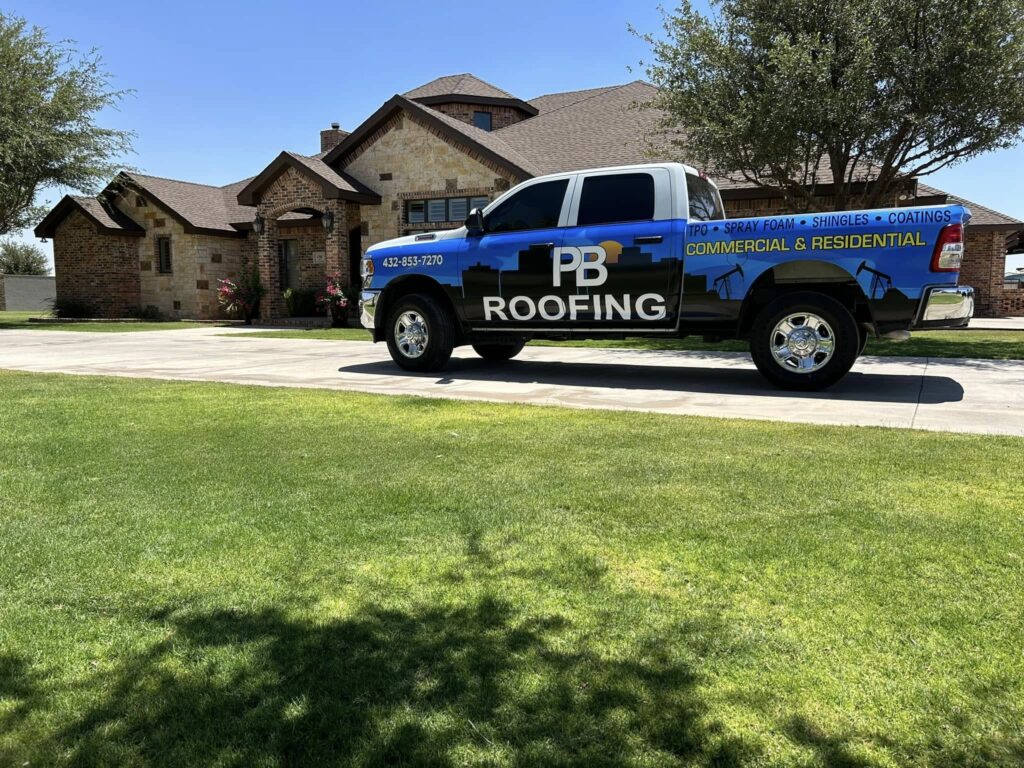
PB Roofing holds an A+ rating with the Better Business Bureau, and we are a preferred contractor for both IKO and Owens Corning. That designation means our crews are trained on those manufacturer systems and install them to specification, including the cold weather requirements that protect your warranty. We back every replacement job with a four year labor warranty on top of the manufacturer coverage on materials. Our estimates are always free with no obligation. We are based right here in the Permian Basin and we roof in these conditions year round.
We also do something most contractors do not. Any roof repair you pay us for gets paid forward, with full credit applied toward a future replacement. That means addressing a leak now does not become money wasted if the roof needs full replacement later. It removes the guesswork from a decision many homeowners agonize over. We would rather earn your trust with a repair than push you into a replacement you are not ready for.
Fall and winter are genuinely good seasons to put a new roof on your West Texas home, and the crew you hire matters far more than the month on the calendar. We serve Odessa, West Odessa, Midland, Andrews, Big Spring, Seminole, Monahans, Kermit, Pecos, Lamesa, and Fort Stockton. Call PB Roofing at (432) 853-7270 or email sean@roofingpb.com to schedule your free inspection and estimate. We will tell you exactly what your roof needs and exactly what it will cost, with no pressure and no surprises. Get on the schedule now and have a new roof over your family before the next storm season arrives.