
Why Your Roof Might Be Leaking Even When It Has Not Rained
A water stain spreading across your ceiling in the middle of a dry West Texas July can feel like a mystery. Odessa and Midland often go weeks without measurable rainfall in summer, yet homeowners still call about active leaks. The truth is that rain is only one of many water sources inside your home. Air conditioners, swamp coolers, plumbing vents, and trapped attic moisture can all mimic a roof leak. Summer heat actually makes several of these problems worse because your cooling system runs nonstop. Ignoring a dry weather leak allows mold, rotted decking, and stained drywall to develop quickly. Finding the true source early protects your roof and your wallet. Understanding the most common causes will help you know when to call a professional.
Common Causes of a Roof Leak Without Rain
A roof leak without rain almost always traces back to moisture generated inside or on top of your home. In the Permian Basin, cooling equipment is the number one suspect during summer. Condensation lines clog, drain pans overflow, and rooftop units shake loose at their curbs after months of constant operation. Plumbing vents and old flashing also fail silently, letting humid air and water travel into the attic. Even irrigation systems can spray water onto low rooflines and fascia every morning without you noticing. Each of these sources leaves stains that look identical to storm damage. Sorting out the real cause requires a careful look at the systems above your ceiling. The three culprits below account for most dry weather leaks we see in West Texas homes.
HVAC Condensation Is a Leading Cause of a Roof Leak Without Rain
Your air conditioner removes gallons of moisture from the air every single day during a West Texas summer. That moisture collects on the evaporator coil and drains through a condensate line, usually routed through the attic. When the line clogs with algae or dust, water backs up into the secondary drain pan. An overflowing or rusted pan drips directly onto your ceiling drywall and insulation. The resulting stain looks exactly like a roof leak, complete with brown rings and sagging texture. Homeowners often blame their shingles when the actual problem sits three feet away at the air handler. July and August are peak months for this failure because units run almost around the clock. A quick attic check near your HVAC equipment can confirm this cause in minutes.
Rooftop package units on homes and commercial buildings create a second version of the same problem. These units sit on curbs that must stay sealed against the roof membrane or shingles. Vibration from constant summer operation slowly works those seals loose. Condensate then drains onto the roof surface instead of into a proper line, pooling around the curb. Over time that standing water finds seams, fastener holes, and cracked sealant. The leak appears inside the building on a perfectly sunny afternoon. Flat roofs on Odessa shops and offices are especially vulnerable to this pattern. Regular inspection of curbs and condensate routing prevents most of these failures.
Insulation hides HVAC condensation leaks longer than almost any other type of moisture problem. Water soaks into blown insulation and spreads outward before it ever reaches the drywall below. By the time a stain appears, the leak may have been active for weeks. Wet insulation loses its R value, which drives your cooling bills even higher in summer. Trapped moisture also feeds mold growth on rafters and decking within days in attic heat. This is why a small ceiling spot deserves immediate attention rather than a coat of paint. A professional can trace the water trail back to its true origin. Suspect a leak near your HVAC unit? Click here for our roof repair service and get it inspected before the damage spreads.
Plumbing Vent Failures Can Create a Roof Leak Without Rain
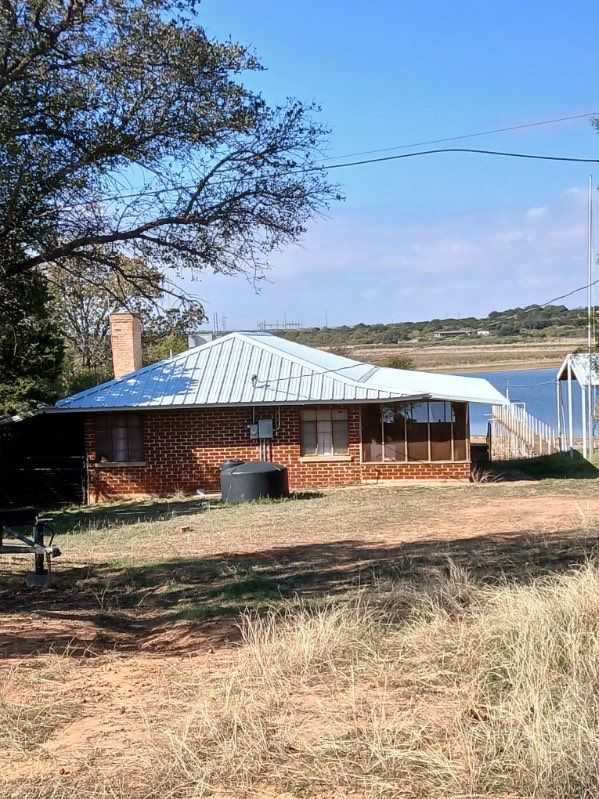
Every home has plumbing vent pipes that pass through the roof to release sewer gases. Each pipe is sealed with a rubber or metal boot at the penetration point. West Texas sun is brutal on these boots, baking the rubber until it cracks and splits. UV exposure here is among the harshest in the country, and boots that last fifteen years elsewhere may fail in eight. Once the boot cracks, moisture has a direct path along the pipe into your attic. Humid air escaping the vent can also condense on cool pipe surfaces at night. That condensation drips down the pipe and collects on the ceiling below. The result is a slow leak that appears with no rain in sight.
Water heaters and furnaces add another set of penetrations through your roof. Flue pipes carry hot exhaust that meets cooler attic and outdoor air, creating condensation inside and around the pipe. Poorly sealed flue collars let this moisture seep into decking and framing. Metal flashing around these pipes also expands and contracts with extreme temperature swings. Odessa roofs can hit 160 degrees on a July afternoon and drop 40 degrees by midnight. That daily cycle loosens fasteners and opens gaps in sealant over time. Small gaps admit moisture year round, not just during storms. Checking these penetrations should be part of every roof inspection.
Diagnosing a vent related leak takes more than a glance from the ground. The failure point is often hidden under the boot flange or beneath a shingle course. Water can travel several feet along a rafter before dripping, so the ceiling stain rarely sits directly under the damaged boot. Homeowners who patch the stain location with sealant usually miss the real entry point entirely. A trained roofer knows how to trace water paths and test each penetration. Replacing a cracked boot is a fast, affordable repair when caught early. Left alone, the same failure rots decking and requires structural work. Early professional diagnosis is the difference between a minor fix and a major project.
Swamp Cooler Problems Often Cause a Roof Leak Without Rain
Evaporative coolers remain popular across Andrews, Kermit, Monahans, and other dry West Texas towns. These units sit directly on the roof and hold a reservoir of water at all times during summer. A stuck float valve lets the reservoir overfill and spill water across the roof surface daily. Cracked pans, corroded pump housings, and split supply lines create the same constant drip. Because the unit runs from May through September, the leak never gets a chance to dry out. Shingles and decking beneath the cooler stay saturated for months. That prolonged moisture destroys roofing materials faster than any single storm. Many homeowners never suspect the cooler because the water damage shows up rooms away.
The mounting system under a swamp cooler is another weak point. Coolers weigh several hundred pounds when full of water, and that load stresses the roof structure. Mounting brackets and support legs penetrate the shingles at multiple points. Each penetration depends on flashing and sealant that degrades in the sun. Vibration from the blower motor works these connections loose season after season. Once a gap opens, spilled water and overnight condensation flow straight into the attic. The area under a cooler often shows the worst decking rot on the entire roof. Inspecting these mounts every spring and fall prevents expensive surprises.
Supply lines feeding the cooler deserve their own inspection. These small copper or poly lines run across the roof and stay pressurized all season. Sun exposure makes poly lines brittle, and a pinhole leak can spray water for weeks unnoticed. The mist lands on shingles, flows into valleys, and finds any weak seam along the way. Mineral deposits from hard Permian Basin water also clog and split fittings over time. A leak this small will never be visible from the street. It will, however, produce a ceiling stain that looks exactly like storm damage. If your roof has years of hidden moisture damage under a cooler, click here for our roof replacement service to get a free evaluation.
How to Find the Source of a Roof Leak When It Has Not Rained
Finding the source of a roof leak without rain takes a methodical approach. Water almost never drips straight down from its entry point; it travels along rafters, pipes, and decking first. Start by noting exactly where the stain appears and when it grows. A stain that worsens on hot afternoons points to cooling equipment. One that stays constant suggests a plumbing or condensation issue. Grab a flashlight and check the attic while the leak is active if you can do so safely. Look for water trails, rusted nail tips, and darkened wood above the stain. The steps below walk through the most productive places to look.
Inspect the Attic to Find the Source of a Roof Leak
The attic tells the real story of any leak, wet weather or dry. Enter during daylight and turn off your flashlight for a moment once your eyes adjust. Pinpoints of light shining through the decking reveal holes and gaps around penetrations. Turn the light back on and examine the underside of the roof deck for dark streaks. Water stains on wood follow gravity, so trace each streak upward to its highest point. That high point is usually within a foot or two of the actual entry. Mark the spot with chalk or tape so a roofer can find it quickly. Photograph everything you find for your records and any insurance conversation.
Pay close attention to the area around your HVAC air handler if it lives in the attic. Check the primary condensate line for clogs and confirm water is flowing to its exit point. Look inside the secondary drain pan for standing water, rust, or mineral rings. Any of those signs means the primary line has failed at some point. Feel the insulation around the unit; wet insulation clumps and feels heavy compared to dry material. Compressed, discolored insulation marks the footprint of past overflows. Also inspect the ductwork itself, because uninsulated ducts sweat heavily in humid attic air. Sweating ducts can drip enough water to stain a ceiling all on their own.
Summer attic inspections in West Texas demand real caution. Attic temperatures here regularly exceed 130 degrees by early afternoon in July. Heat exhaustion can set in within minutes in that environment. Go early in the morning, bring water, and never inspect alone. Step only on joists or decking boards, since drywall between joists will not hold your weight. If wet insulation, mold, or extensive staining makes the search unpleasant, stop and call a professional. Roofers carry moisture meters and thermal cameras that find hidden water without the guesswork. A safe professional inspection beats a heat stroke every time.
Check Flashing and Penetrations to Find the Source of a Roof Leak
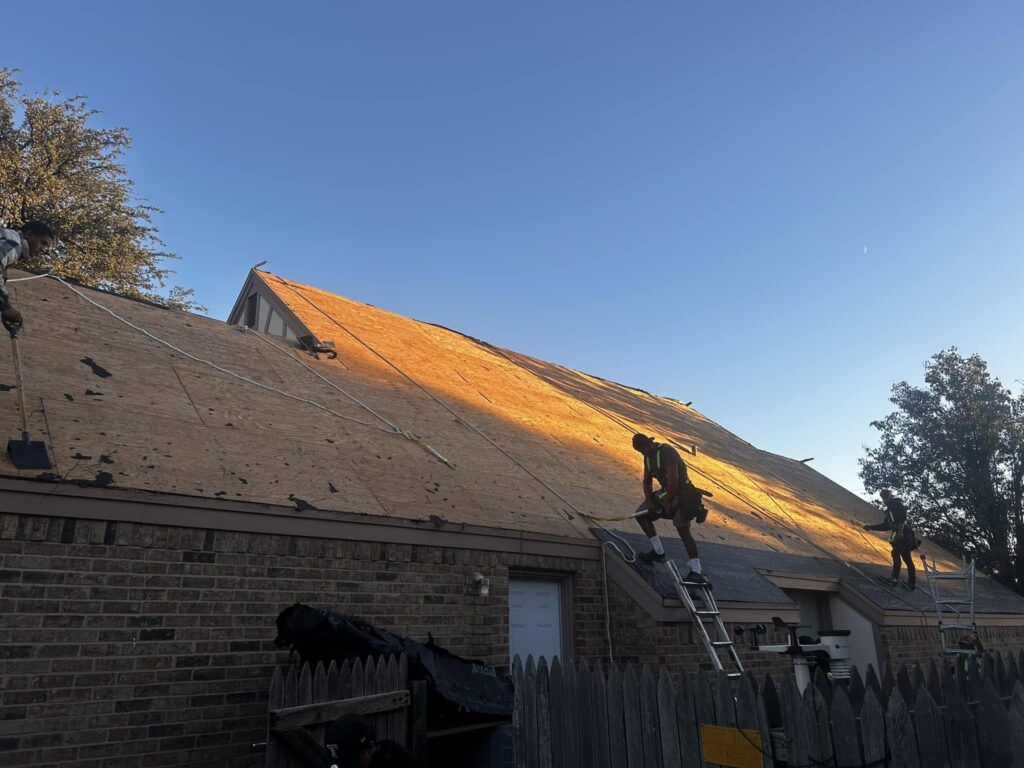
Flashing failures cause a huge share of leaks that appear in dry weather. Flashing is the metal that seals every transition on your roof, from chimneys to walls to valleys. West Texas heat cycles cause metal flashing to expand and contract daily, loosening nails and cracking sealant. Dust storms then drive fine grit into every opened gap, holding it open. Once a gap exists, morning condensation and sprinkler overspray enter freely. Inspect chimney flashing, sidewall flashing, and any spot where the roof meets a vertical surface. Look for lifted edges, missing sealant, and rust lines running down from the metal. Any of these signs deserves prompt repair before the next storm makes things worse.
Every penetration through your roof is a potential entry point worth checking. Count them from the ground: plumbing vents, attic vents, flue pipes, satellite mounts, and cooler lines. Each one relies on a boot, collar, or sealant bead with a limited lifespan. Binoculars let you examine boots for cracks without climbing. Look for rubber that appears gray, chalky, or split around the pipe. Check attic vents and turbines for loose bases and missing fasteners after spring wind season. Old satellite dish mounts are notorious leak sources because installers often skipped proper flashing entirely. Removed equipment leaves abandoned holes that only a roofer should patch correctly.
Sprinkler systems create one of the sneakiest dry weather leaks in our region. Irrigation heads along the foundation sometimes spray onto low eaves and fascia every morning before sunrise. The homeowner never sees it happen, but the roof edge gets soaked daily. That repeated wetting rots fascia boards and wicks into the decking edge. Gutters clogged with tumbleweed debris and dust make the problem worse by holding that water in place. Walk your roofline while the sprinklers run one morning and watch where the spray lands. Adjust any head that reaches the house. Then have the affected roof edge inspected for hidden rot.
Rule Out Old Storm Damage When Finding the Source of a Roof Leak
Sometimes a dry weather leak is actually old storm damage finally showing itself. West Texas hail and wind events crack shingles and bruise underlayment without causing immediate leaks. The damaged material then bakes in summer heat, curling and splitting further with every hot day. Nightly condensation and cooler runoff eventually find those openings. A leak that appears in July may trace back to a hailstorm from March. This delay is exactly why insurance companies recommend prompt inspections after every major storm. Waiting until a stain appears can complicate a claim months later. Documenting damage early protects both your roof and your coverage.
Hail damage hides well from an untrained eye at ground level. Impact bruises knock granules loose and fracture the shingle mat underneath without tearing the surface. Those fractures let heat and UV rays attack the asphalt layer directly. Within a season, bruised shingles crack open and admit moisture. Wind damage behaves similarly, breaking the adhesive seal strips between shingle courses. Unsealed shingles look fine but lift slightly in every breeze, pumping dust and moisture underneath. Check for granule piles in gutters and at downspout exits as an early warning sign. Heavy granule loss means your shingles are losing their protective armor.
Age itself becomes the storm that never ends for older roofs. Shingles past fifteen years in the Permian Basin have endured thousands of extreme heat cycles. Brittle, curled shingles no longer shed condensation or light moisture the way new ones do. Nail heads back out of dried decking and create hundreds of tiny entry points. At that stage, chasing individual leaks becomes a losing battle. A full evaluation tells you honestly if repair still makes sense or if replacement is the smarter investment. PB Roofing applies full credit from prior repairs toward a future replacement, so no repair dollar is wasted. That policy takes the risk out of choosing repair first.
Why You Need a Professional Roof Leak Inspection
Guessing at a leak source costs homeowners real money in wasted repairs and spreading damage. A professional inspection finds the true entry point the first time, using tools and experience most homeowners simply do not have. In summer heat, professionals also handle the dangerous attic and rooftop work safely. Catching a small failure now prevents rotted decking, ruined insulation, and mold remediation later. An inspection also creates documentation you may need for insurance or warranty claims. The peace of mind alone is worth a free estimate.
A Professional Roof Leak Inspection Protects Your Home
Water damage never stays contained to one spot. A slow drip rots rafters, soaks insulation, and stains drywall across multiple rooms over time. Mold can begin growing within 48 hours of moisture exposure in a hot attic. Electrical wiring in wet insulation adds a genuine fire and shock hazard. A professional inspection stops this chain reaction at the source. Protecting your family and your largest investment starts with knowing exactly where the water enters.
Professional roofers see failure patterns that homeowners miss. They know which boot styles fail early, which flashing details leak in our climate, and where cooler mounts typically rot decking. That pattern knowledge turns a frustrating mystery into a fifteen minute diagnosis. Inspectors also check areas you would never think to examine, like seal strips and valley metal. Nothing gets patched over while the real problem keeps leaking. The repair that follows actually solves the issue.
Documentation from a professional inspection carries weight. Photos, measurements, and written findings support insurance claims for storm related damage. They also establish a maintenance record that helps at resale time. Buyers and inspectors trust a documented roof history. A verbal guess from a handyman offers none of that protection. Choose an inspection that produces a real report.
A Professional Roof Leak Inspection Saves You Money
Misdiagnosed leaks drain budgets fast. Homeowners pay to replace shingles when the real culprit was a ten dollar condensate fitting. Others reseal a vent boot while a cooler pan keeps leaking two feet away. Every wrong repair means the water damage continues growing underneath. A correct diagnosis on the first visit ends that cycle. One accurate repair always costs less than three guesses.
Early detection is the biggest money saver in roofing. A cracked boot caught today is a minor repair. The same crack ignored for a year means new decking, new insulation, and interior drywall work. Summer conditions accelerate this timeline because heat and moisture together destroy materials quickly. Free estimates remove any excuse to wait. There is zero cost to finding out what you are dealing with.
PB Roofing structures pricing to protect your long term budget. Every repair we complete earns full credit toward a future replacement. You never lose money by fixing the roof you have today. When replacement day comes, those repair dollars come off the total. Our 4 year labor warranty on replacement jobs protects the investment after installation. Thinking about a new roof from the start? Click here for our roof installation service to see your options.
Why Choose PB Roofing for Your Roof Leak Inspection
PB Roofing is based right here in Odessa and serves the entire Permian Basin. We work on roofs in Midland, Andrews, Big Spring, Monahans, Pecos, and the surrounding communities every week. Our team understands exactly how West Texas heat, hail, dust, and cooling equipment attack local roofs. That regional knowledge means faster, more accurate leak diagnosis. National chains cannot match that familiarity. Local homeowners deserve a local expert.
Our credentials back up every inspection and repair. PB Roofing holds an A+ rating with the Better Business Bureau. We are a preferred contractor for both IKO and Owens Corning, two of the most trusted shingle manufacturers in the industry. Those relationships mean certified installation standards and stronger material warranties for you. Every replacement job carries our 4 year labor warranty. You get accountability in writing, not just a handshake.
Getting answers about your mystery leak is simple and free. Every project starts with a free, no obligation estimate, so there is no pressure and no cost to look. We will find the source, explain it in plain terms, and give you honest options. Repair credits carry forward to replacement, so every dollar works for you. Call PB Roofing today at (432) 853-7270 or email seanjr@roofingpb.com to schedule your inspection. Stop guessing about that ceiling stain and get a real answer this week.