
How to Get Your West Texas Roof Ready for Storm Season
Storm season in the Permian Basin has a way of arriving without much warning. One afternoon the sky is clear and calm, and the next a wall of wind, rain, and hail is bearing down on Odessa, Midland, and the surrounding communities. By the time a storm is on the horizon, it is too late to do much about the roof over your head, which is why the smartest homeowners get ahead of the weather long before the first storm rolls in.
Preparing your roof for storm season is not complicated, but it does take a little intention. A roof that is in good shape and ready for what West Texas weather can throw at it stands a far better chance of coming through a rough storm without serious damage. Taking the right steps ahead of time gives you peace of mind and protects one of the most important parts of your home when it matters most.
Why Storm Season Preparation Matters in West Texas
The Permian Basin sees some of the most punishing storm conditions in the state. Spring and early summer bring sudden, hard-hitting storms capable of dropping large hail and driving wind that tests every part of a roof at once. A roof that is already worn or carrying small, unaddressed problems is far more likely to suffer real damage when those conditions hit.
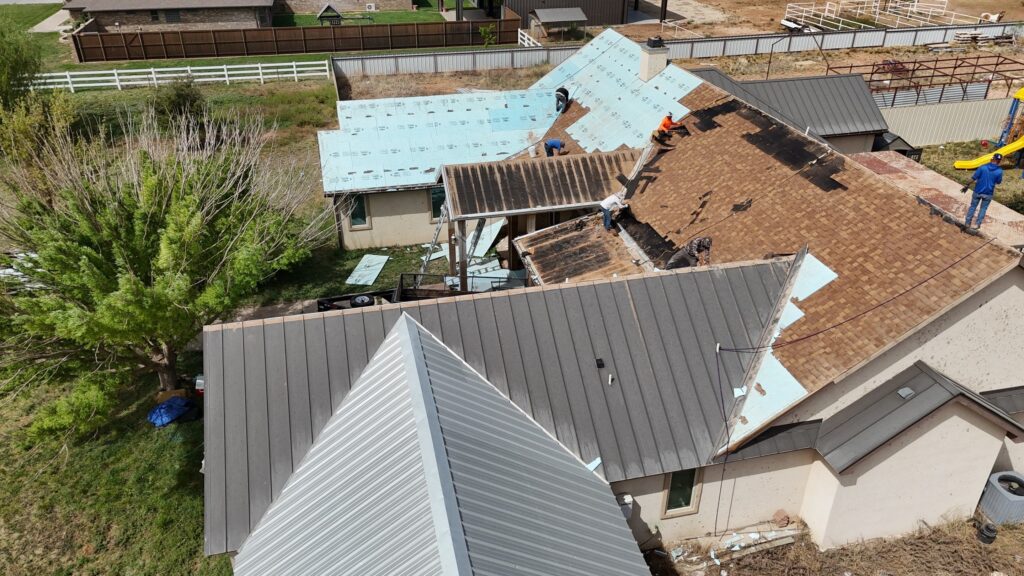
The difference between a roof that weathers a storm and one that fails often comes down to its condition beforehand. Loose shingles, dried-out sealant, and small existing weak points are exactly the kinds of vulnerabilities that a powerful storm exploits. A roof that has been checked and shored up ahead of time has fewer of those weak spots for the wind and hail to find, which can be the deciding factor in how it holds up.
There is also a real advantage to being proactive rather than reactive. Once a storm has caused damage, you are dealing with the aftermath, often alongside many other homeowners in the same situation. By preparing in advance, you put yourself in a position of strength, addressing problems on your own schedule and heading into storm season with confidence instead of crossing your fingers and hoping for the best.
Start With a Pre-Season Roof Inspection
The single most valuable step you can take before storm season is to have your roof professionally inspected. A trained roofer can spot the kinds of subtle issues that are nearly impossible to see from the ground, from lifted shingles and worn flashing to small cracks and weak points that could give way under stress. Catching these things early means they can be addressed before a storm has the chance to turn them into something much worse.
Need a roof installation? Click here for our roof installation service.
A pre-season inspection is especially important if your roof has already been through a few West Texas summers. Years of intense sun and heat gradually wear down roofing materials, leaving them more brittle and more vulnerable to storm damage than they once were. An inspection gives you an honest, current picture of where your roof stands and what, if anything, needs attention before the weather turns.
Trying to inspect a roof yourself is both risky and easy to get wrong. West Texas roofs can be steep and slick, and walking on one without the right training and equipment is dangerous. Beyond the safety concerns, an untrained eye often misses the early warning signs that a professional is trained to catch. Bringing in an expert is the safest and most reliable way to know your roof is truly ready for what is coming.
Clear the Area Around Your Roof
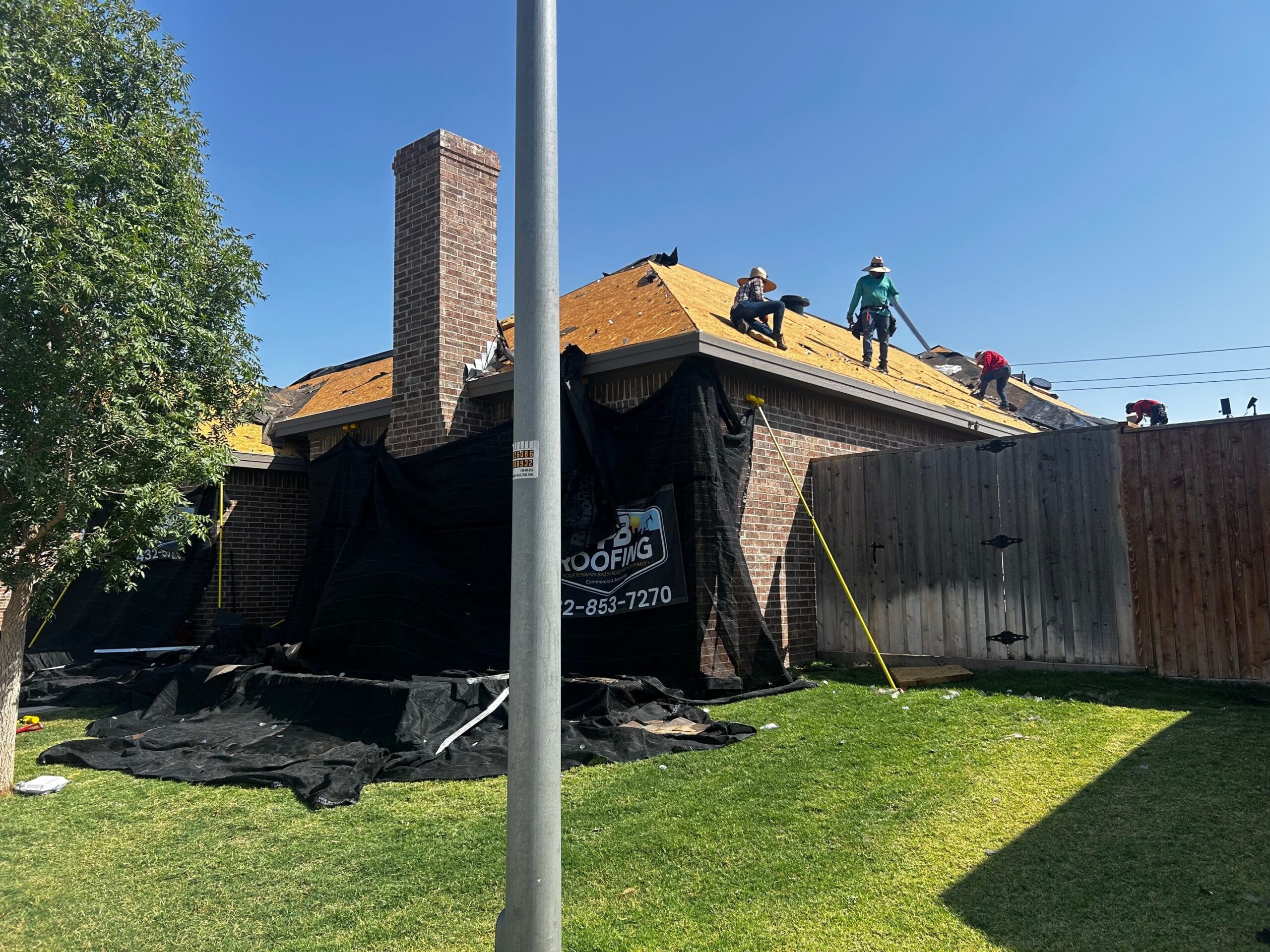
Some of the most effective storm preparation happens not on the roof itself, but in the space around it. Overhanging tree branches are a common hazard, since strong winds can whip them against the roof or break them off entirely, sending heavy limbs crashing down onto the shingles. Trimming back branches that hang over or near your roof removes one of the most preventable sources of storm damage.
Loose objects around your property can become dangerous projectiles in high wind. Patio furniture, decorations, tools, and other unsecured items can be picked up by a strong gust and thrown against your home or roof with surprising force. Before storm season, take time to identify anything that could become airborne and make a plan to secure or store it when severe weather is on the way.
It is also worth keeping the roof surface and surrounding areas free of accumulated debris. Built-up leaves, branches, and windblown material can trap moisture and add weight, and they can also interfere with how water drains off the roof during a heavy downpour. Keeping these areas clear helps your roof do its job and removes one more thing for a storm to take advantage of.
Address Small Problems Before They Become Big Ones
Storm season has a way of finding every weakness in a roof, which is why the small repairs you make beforehand can pay off in a big way. A few loose or missing shingles might seem minor on a calm day, but they create an opening that wind can grab and tear wider during a storm. Securing or replacing them ahead of time closes off that vulnerability before it can be exploited.
Want to know if you should repair your replace your roof? Click here for more details.
Flashing and sealant deserve particular attention. The metal flashing around chimneys, vents, and other roof features is designed to keep water out at the most vulnerable seams, and once it loosens or corrodes it becomes a prime entry point during heavy rain. Dried-out or cracked sealant around penetrations does the same. Having these areas checked and repaired before storm season helps ensure water stays where it belongs even in a downpour.
The guiding principle is simple. Every small issue you resolve now is one less problem for a storm to magnify later. A minor repair handled in calm weather is far easier to manage than the major damage that can result when a storm drives water and wind into a weak spot that was left unaddressed. Getting these things squared away early is one of the best investments of time a homeowner can make before the weather turns.
Know Your Plan When a Storm Hits
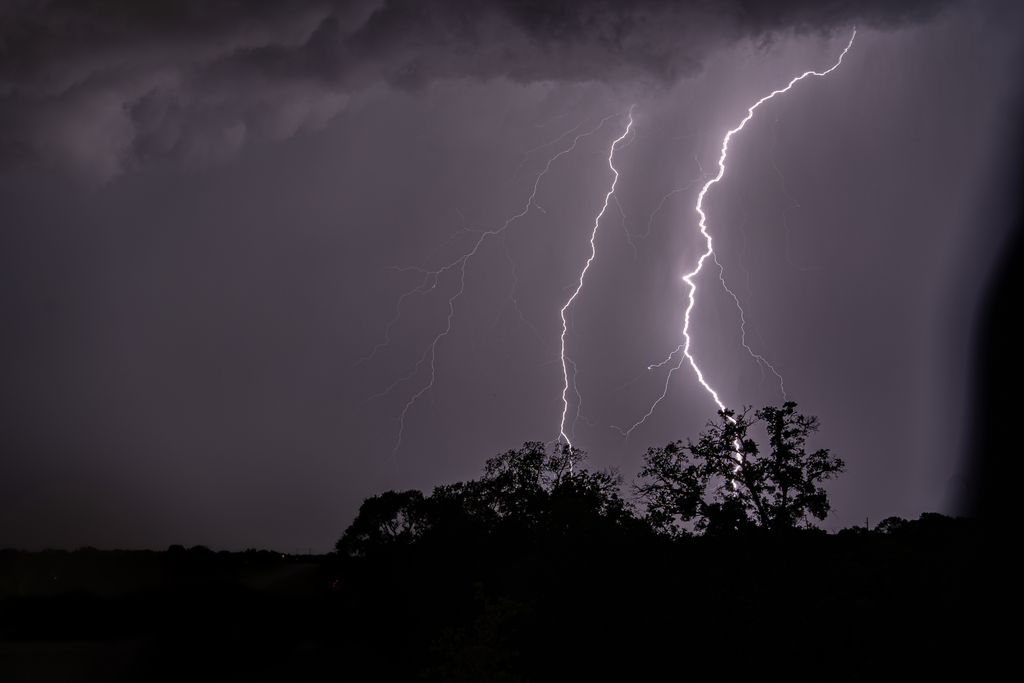
Even the best-prepared roof can take a hit from a severe enough storm, so it helps to know what to do when one passes through. After the weather clears, resist the urge to climb up and inspect the roof yourself. Storm-damaged roofs can be unstable and slick, and the safest approach is to assess what you can from the ground and leave the close inspection to a professional.
Documenting any visible damage is a smart move once it is safe to do so. Photographs of fallen branches, scattered debris, dented surfaces, or interior water stains create a useful record of what the storm left behind. This documentation is valuable both for understanding the scope of any damage and for any conversations you may have with your insurance provider as you move forward.
The most important part of your plan is knowing who to call. Having a trusted local roofer ready before storm season means you are not scrambling to find help in the chaotic aftermath, when many homeowners are competing for the same attention. PB Roofing serves homeowners throughout Odessa, Midland, and the surrounding Permian Basin, and the team can inspect your roof after a storm, identify any damage, and help you take the right next steps.
Storm season is an unavoidable part of life in West Texas, but serious roof damage does not have to be. By preparing ahead of time, scheduling a professional inspection, clearing the area around your home, and addressing small problems before they grow, you give your roof the best possible chance of weathering whatever the Permian Basin sky has in store.
The time to get ready is before the first storm appears on the horizon, not after. The experienced team at PB Roofing knows exactly how West Texas storms work on a roof and how to get yours prepared for the season ahead. Call PB Roofing today at (432) 853-7270 to schedule your inspection and head into storm season knowing your roof is ready.