
Wildlife vs. Roofing: What Midland Homeowners Need to Know
May 8, 2026
•
Written By
PB Roofing
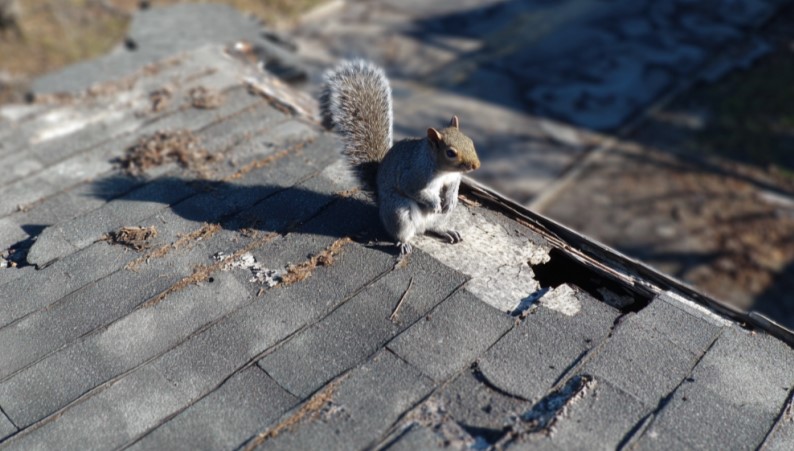
Wildlife roof damage in Midland, TX usually starts quietly. A shingle lifts after a windstorm. A ridge vent shifts slightly during hail. A seal dries out in the summer heat. Then one night, you hear scratching overhead.
That is where wildlife and roofing meet.
Animals in roof systems rarely break in by brute force. They take advantage of small weaknesses created by weather and time. In a region known for wind, hail, and extreme heat, protecting roofs from pests is closely tied to how well the roofing system is built and maintained.
In this guide, Midland homeowners will learn:
- Why wildlife roof damage is common in West Texas
- How animals in roof spaces gain access
- What repairs typically cost
- When to call pest control versus a roofing contractor
- How roofing materials influence long-term pest resistance
If you suspect wildlife roof damage, PB Roofing can help.
Why Wildlife Roof Damage Is Common in Midland, TX
To understand wildlife vs. roofing, you have to start with the climate.
Homes in Midland, TX face:
- Strong, sustained winds
- Frequent hailstorms
- Prolonged summer heat
- Rapid material aging
Wind can loosen shingles just enough to create small gaps. Hail can crack flashing or ridge caps. Heat dries out sealants that once formed tight seals. These conditions create opportunities.
Wildlife roof damage often begins with storm-related weaknesses. Animals in roof systems are not randomly selecting homes. They are responding to vulnerable roofing components.
Common wildlife in the area includes squirrels, raccoons, roof rats, birds, and bats. Attics provide shade in the summer and warmth in the winter. Once entry is gained, animals expand openings and increase damage.
This is why wildlife vs. roofing is not simply a pest issue. It is a structural one.
Seasonal Shifts That Increase Wildlife Risk
In Midland, TX, wildlife roof damage often follows predictable seasonal patterns.
Spring:
Hailstorms weaken shingles and flashing, creating small entry points.
Summer:
Extreme attic heat drives animals toward ventilation openings.
Fall:
Nesting activity increases as wildlife looks for stable shelter.
Winter:
Warm attic insulation attracts rodents and raccoons.
Because weather often creates the initial weakness, protecting roofs from pests means inspecting after storms and before nesting seasons begin.
What Midland Homeowners Should Check First
Before reacting to scratching noises or visible damage, step back and evaluate the situation.
Confirm Whether Animals Are Present
Scratching sounds at night, droppings, or disturbed insulation suggest animals in roof cavities. Pest control should remove wildlife before roof openings are sealed.
Inspect for Storm Damage
Lifted shingles, cracked flashing, or damaged vents often precede wildlife roof damage. A roofing inspection helps determine whether weather created the entry point.
Assess the Scope of Damage
Small gaps can lead to larger structural issues. Soffits, decking, and insulation may require repair along with surface materials.
Taking these steps ensures that wildlife vs. roofing is handled in the right order: removal first, repair second, reinforcement third.
How Wildlife Roof Damage Develops
Understanding the sequence helps prevent repeat problems.
Stage 1: Roofing Weakness Appears
Wind loosens a shingle. Hail fractures a vent. Flashing shifts slightly. These are roofing vulnerabilities before wildlife becomes involved.
Stage 2: Animals in Roof Spaces Expand the Opening
Animals in roof systems rarely create major holes immediately. Instead, they enlarge existing gaps.
Squirrels chew softened wood. Raccoons pry up loose shingles. Birds nest in unsecured vents. Wildlife roof damage accelerates once the barrier is breached.
Stage 3: Interior Damage Follows
Once inside, animals damage roof insulation, wiring, and framing. Moisture intrusion may follow. At this point, protecting roofs from pests becomes more expensive because structural repairs are required.
The longer wildlife roof damage goes unaddressed, the more costly it becomes.
What Does Wildlife Roof Damage Cost in Midland?
Costs depend on how quickly the issue is identified.
Typical repair ranges in Midland, TX include:
- Minor soffit repair: $500–$1,500
- Vent replacement: $300–$800
- Localized roof repair: $500–$2,000
- Decking repair: varies by scope
- Full replacement if storm damage is widespread: based on local per-square pricing
If hail or wind damage contributed to the issue, insurance may cover part of the repair. Damage caused strictly by animals is often excluded.
This reinforces the central point: strong roofing systems reduce wildlife roof damage risk and long-term expense.
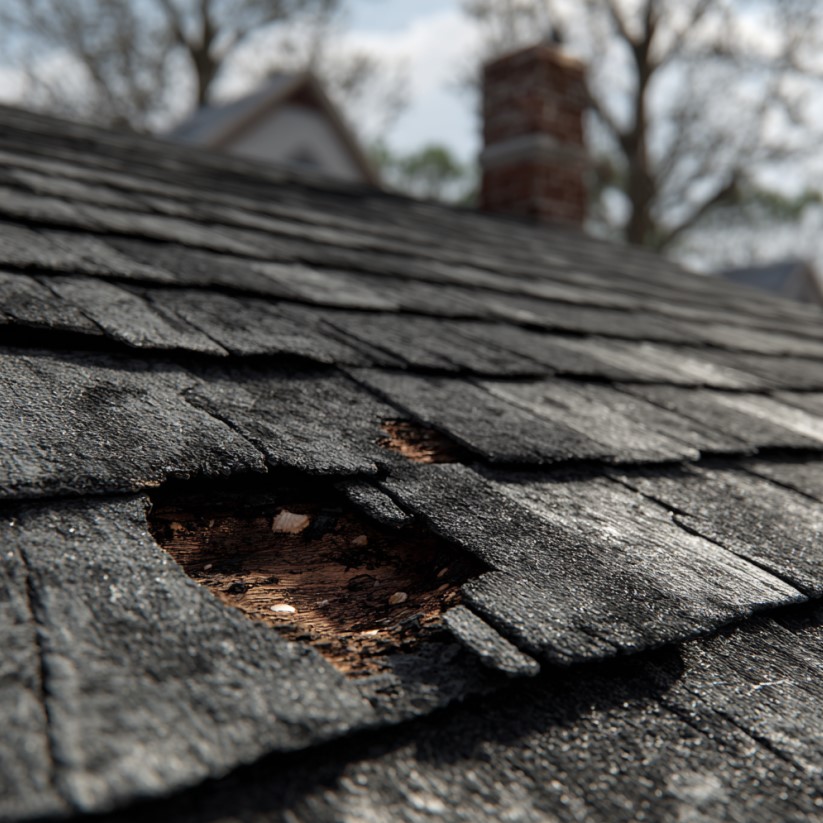
Common Roof Areas Wildlife Targets
Certain areas are consistently vulnerable in Midland homes:
- Ridge vents
- Gable vents
- Soffits
- Chimney flashing
- Roof-to-wall transitions
- Wind-lifted shingles
Inspecting these areas annually is one of the most practical ways of protecting roofs from pests.
Deep Dive: Roofing Materials and Wildlife Resistance
Wildlife vs. roofing ultimately comes down to durability.
Animals in roof systems almost always exploit materials weakened by wind or hail. Stronger shingles resist lifting. Secure flashing reduces edge gaps. Reinforced ridge systems limit vent intrusion.
Upgrading to architectural or impact-resistant shingles improves wind resistance and long-term structural integrity. If you want a detailed comparison of how roofing systems perform in West Texas conditions, our guide on Choosing the Best Roofing Material for Texas Homes explains how durability, impact ratings, and wind resistance influence long-term performance.
Pros of stronger materials:
- Fewer entry points
- Better resistance to hail and wind
- Reduced repeat wildlife roof damage
Cons:
- Higher upfront investment
For many Midland homeowners, investing in durability lowers the long-term cost of protecting roofs from pests.
Midland, TX Wildlife Roof Damage FAQs for Homeowners
Wildlife roof damage raises practical questions for homeowners who are dealing with animals in roof spaces or trying to focus on protecting roofs from pests. The answers below address the most common concerns we hear in Midland, TX and keep the focus on prevention and proper repair.
What causes wildlife roof damage in Midland homes?
Wildlife roof damage in Midland homes is most often caused by animals exploiting storm-weakened shingles, flashing, or vents. Wind and hail frequently create small entry points that animals widen over time. Addressing storm damage early helps prevent wildlife intrusion.
How do I know if I have animals in roof spaces?
Animals in roof spaces usually make scratching or movement noises, especially at night. You may also notice damaged soffits, droppings, or disturbed insulation. A professional inspection can confirm entry points and determine the extent of wildlife roof damage.
Can protecting roofs from pests prevent leaks?
Protecting roofs from pests can prevent leaks by sealing vulnerable areas before animals enlarge them and allow water intrusion. Reinforcing vents, shingles, and flashing reduces the risk of both wildlife damage and moisture problems.
Does homeowner’s insurance cover wildlife roof damage?
Homeowner’s insurance may cover wildlife roof damage if storm-related issues created the initial roof weakness. Damage caused solely by animals without a covered event is often excluded. Proper documentation and inspection help clarify coverage.
Should I repair or replace my roof after wildlife damage?
Repairing the roof is appropriate when wildlife roof damage is localized and the overall system is still structurally sound. Roof replacement may be necessary if storm damage and animal intrusion are widespread. A thorough inspection determines the right course of action.
How quickly should wildlife roof damage be addressed?
Wildlife roof damage should be addressed immediately to prevent structural deterioration, insulation contamination, and further animal intrusion. Delaying repairs often increases overall cost and complexity.
Final Thoughts: Wildlife vs. Roofing in Midland, TX
Wildlife vs. roofing in Midland, TX is about durability and timing. Animals in roof systems take advantage of weaknesses created by wind, hail, and aging materials. Protecting roofs from pests starts with strong installation and continues with regular inspection.
With over 30 years of combined experience, PB Roofing understands West Texas roofing conditions. We respond quickly, provide straightforward inspections, and stand behind our work.
If you suspect wildlife roof damage or want to strengthen your roof against future intrusion, schedule your free inspection today.
Recent Articles
Residential Roofing
Wildlife vs. Roofing: What Midland Homeowners Need to Know
Animals in roof systems take advantage of weaknesses created by wind, hail, and aging materials. Protecting roofs from pests starts with strong installation and continues with regular inspection.
May 8, 2026
Residential Roofing
Heat-Resistant Roofing: Which Materials Stand Up Best to Texas Summers
Heat resistant roofing is designed to reflect more solar radiation and absorb less heat. Cool roofing materials reduce surface temperatures and slow deterioration.
May 1, 2026

Residential Roofing
How to Avoid Losing Your Roof Warranty Through Maintenance Mistakes
A roof maintenance warranty only protects you if the rules are followed. Small mistakes, skipped inspections, or unapproved repairs can lead to a voided roof warranty even when the roof is still new.
April 6, 2026
Residential Roofing
Understanding Roof Warranties: What’s Really Covered
Understanding roof warranty coverage before installing a new roof can prevent problems later. Having the roofing warranty explained clearly helps you know what is protected and what is not.
April 1, 2026