
Heat-Resistant Roofing: Which Materials Stand Up Best to Texas Summers
May 1, 2026
•
Written By
PB Roofing
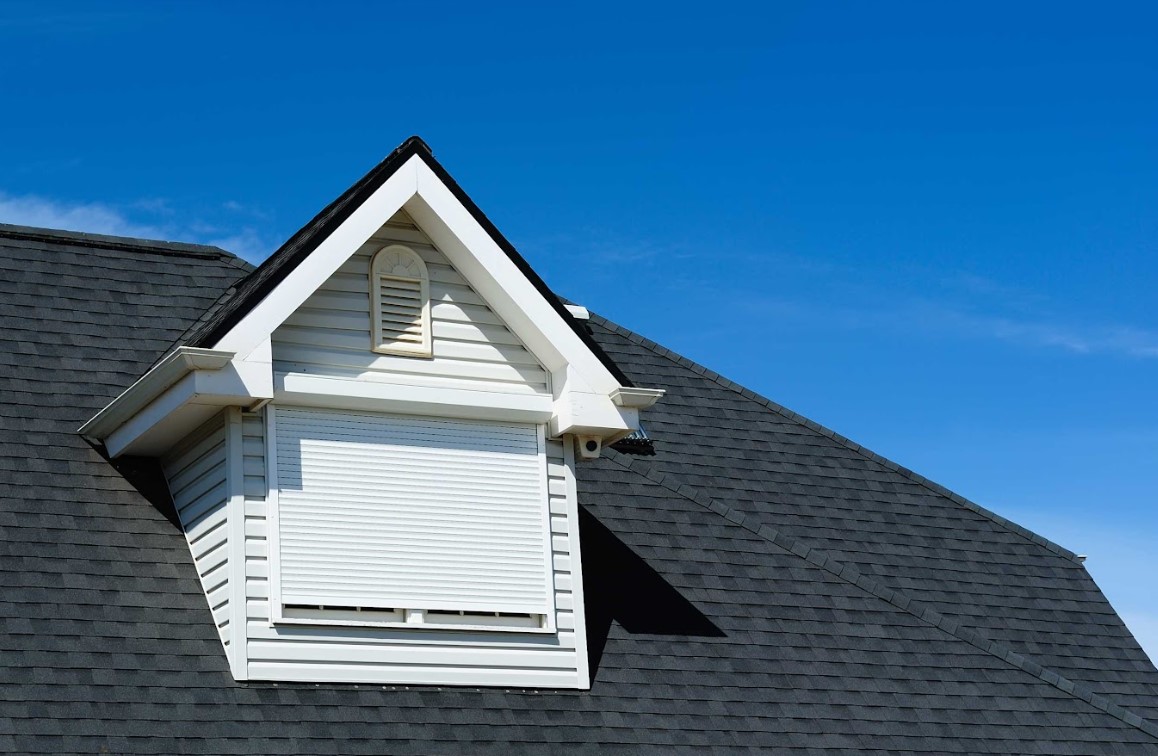
By mid-summer in Odessa and Midland, TX, roof surfaces can reach 150 to 170 degrees on darker shingles. At those temperatures, adhesives soften, sealants dry out, and aging accelerates fast. In West Texas, heat resistant roofing is not about comfort alone. It is about choosing materials that can withstand extreme conditions year after year.
When homeowners ask which cool roofing materials truly perform best, the real question is this: which type of roofing for hot climates will hold up under sustained UV exposure, daily expansion and contraction, and occasional hail?
In this guide, we’ll walk through:
- What heat resistant roofing really means in West Texas
- Which materials perform best under extreme summer heat
- Why ventilation plays a critical role
- How heat and hail together influence your decision
- What realistic cost expectations look like locally
If your current roof is struggling through another West Texas summer, PB Roofing can help evaluate your options.
Why Texas Summers Demand Heat-Resistant Roofing
Before comparing materials, it helps to understand what roofs in Odessa and Midland, TX are exposed to every summer.
Homes in this region face:
- Extended periods above 100°F
- Intense UV radiation
- High winds combined with heat stress
- Rapid day-to-night temperature swings
Dark asphalt shingles can exceed 160°F. That kind of sustained surface temperature speeds up material breakdown. Over time, this leads to cracking, granule loss, and premature failure.
Heat resistant roofing is designed to reflect more solar radiation and absorb less heat. Cool roofing materials reduce surface temperatures and slow deterioration. Roofing for hot climates must also tolerate constant movement caused by expansion during the day and contraction at night.
Understanding these pressures makes it easier to evaluate which materials truly stand up best.
What to Evaluate Before Choosing Roofing for Hot Climates
Once you recognize how extreme summers impact your roof, the next step is narrowing down your options thoughtfully.
Reflectivity and Material Strength
Cool roofing materials are engineered to reflect sunlight, but reflectivity alone does not determine performance. Durability under UV exposure is equally important.
Ventilation Compatibility
Even the best heat resistant roofing system will struggle without proper attic airflow. Balanced intake and exhaust ventilation reduce trapped heat and protect the roof structure from below.
Hail and Wind Resistance
In Odessa and Midland, TX, roofing for hot climates must also survive hail and strong winds. The best-performing material is one that handles both heat and impact.
Long-Term Value
Upfront cost matters, but lifespan under West Texas heat often matters more. Choosing materials that stand up best over time reduces repeat replacement costs.
With those considerations in mind, we can compare the most common systems.
Comparing Cool Roofing Materials for West Texas Homes
When evaluating heat resistant roofing, three primary options consistently come up: architectural shingles, metal roofing, and reflective coatings.
Architectural Shingles with Reflective Granules
Modern architectural shingles are far more durable than older three-tab products. Many now include reflective granules that reduce heat absorption.
In Odessa and Midland, TX, reflective shingles can lower surface temperature by 10 to 20 degrees compared to darker traditional shingles.
Strengths:
- Moderate investment
- Strong wind ratings
- Impact-resistant versions available
Limitations:
- Still absorb more heat than metal
- Lifespan affected by prolonged UV exposure
For many homeowners, this option provides a practical balance between performance and affordability when selecting roofing for hot climates.

Metal Roofing Systems
Metal roofing is often considered one of the most reliable forms of heat resistant roofing in West Texas.
Metal panels reflect a high percentage of solar radiation and shed heat quickly. In many cases, surface temperatures run 20 to 40 degrees cooler than dark asphalt shingles.
Strengths:
- Excellent UV resistance
- Long lifespan
- Strong wind performance
Limitations:
- Higher upfront investment
- Requires experienced installation
When the goal is maximum durability under Texas summers, metal frequently stands out as one of the best cool roofing materials available.

Reflective Roof Coatings
Reflective elastomeric coatings can improve heat performance on existing roofs that remain structurally sound.
Strengths:
- Lower upfront cost
- Increased reflectivity
- Extends service life
Limitations:
- Not a substitute for structural repairs
- Requires maintenance over time
These coatings can enhance roofing for hot climates, but they are most effective when the base system is still intact.
How This Fits into Broader Material Decisions
While this article focuses specifically on heat resistant roofing, choosing the right system involves more than temperature control. If you want a deeper comparison of durability, impact resistance, and overall lifespan, our guide on Choosing the Best Roofing Material for Texas Homes explains how various materials perform under local conditions beyond heat alone.
Here, we remain focused on which cool roofing materials stand up best specifically to Texas summers.
Which Materials Stand Up Best to Texas Summers?
To simplify the comparison:
Best Overall for Extreme Heat
Standing seam metal roofing consistently performs at the top when evaluating heat resistant roofing for long-term durability.
Best Balanced Option
Architectural shingles with reflective granules provide solid heat performance and strong hail resistance at a moderate cost.
Best Upgrade for an Existing Roof
Reflective coatings improve heat performance when full roof replacement is not yet necessary.
The right answer depends on budget, ownership timeline, and structural condition.
Cost Expectations in Odessa and Midland, TX
When comparing roofing for hot climates, cost must be evaluated alongside lifespan.
Typical expectations in Odessa and Midland, TX include:
- Architectural shingles: moderate range
- Metal roofing: higher upfront cost
- Reflective coatings: lower than full replacement
Metal often becomes more cost-effective over decades due to its longer service life under intense UV exposure.
Heat resistant roofing should be evaluated as a long-term investment, not just an installation expense.
The Role of Ventilation in Heat Performance
Even the best cool roofing materials cannot perform properly without ventilation.
Balanced ridge and soffit airflow can reduce attic temperatures by 10 to 20 degrees. That reduction slows material aging and protects decking.
Roofing for hot climates must function as a system. Heat resistant roofing works best when reflective materials, underlayment, and ventilation operate together.
Odessa and Midland, TX Heat-Resistant Roofing FAQs
When deciding which materials stand up best to Texas summers, homeowners in Odessa and Midland, TX often ask practical questions about heat resistant roofing, cool roofing materials, and roofing for hot climates. The answers below address those concerns directly and help clarify what truly performs under West Texas heat.
What is heat resistant roofing?
Heat resistant roofing is roofing designed to reflect more sunlight and absorb less heat so it can withstand extreme Texas summer temperatures. In Odessa and Midland, TX, this typically means selecting cool roofing materials engineered for UV resistance and long-term durability under sustained heat exposure.
Do cool roofing materials really lower attic temperatures?
Cool roofing materials can lower attic temperatures by reducing how much solar heat is absorbed at the roof surface. When paired with proper ventilation, roofing for hot climates can reduce attic heat buildup significantly, slowing material aging and reducing strain on HVAC systems.
Which roofing material stands up best to Texas summers?
Metal roofing generally stands up best to Texas summers because it reflects solar radiation efficiently and resists UV breakdown. However, high-quality architectural shingles with reflective granules also perform well when properly installed in Odessa and Midland, TX conditions.
Are lighter shingles enough for roofing for hot climates?
Lighter shingles help reduce surface temperature, but they are not enough on their own. Roofing for hot climates must also include strong underlayment, proper ventilation, and materials that tolerate expansion and contraction.
How long does heat resistant roofing last in Odessa and Midland, TX?
Heat resistant roofing in Odessa and Midland, TX can last significantly longer than lower-grade systems when designed for UV exposure and installed correctly. Lifespan depends on material type, ventilation balance, and resistance to hail impact.
Is metal roofing better than shingles for extreme heat?
Metal roofing is often better than shingles for extreme heat because it sheds heat quickly and resists UV-related deterioration. That said, impact-resistant shingles may offer a stronger balance in areas where hail is frequent.
Final Thoughts on Heat-Resistant Roofing in West Texas
Heat resistant roofing in Odessa and Midland, TX is about selecting materials that tolerate sustained UV exposure, constant expansion cycles, and regional hail risks. Cool roofing materials can extend lifespan and improve performance, but only when properly installed and supported by ventilation.
When asking which materials stand up best to Texas summers, metal often leads for longevity, while reflective architectural shingles provide strong balance for many homeowners.
With over 30 years of combined experience, PB Roofing understands how West Texas heat impacts roofing systems. We install durable materials built for local conditions and stand behind our work.
Recent Articles
Residential Roofing
Wildlife vs. Roofing: What Midland Homeowners Need to Know
Animals in roof systems take advantage of weaknesses created by wind, hail, and aging materials. Protecting roofs from pests starts with strong installation and continues with regular inspection.
May 8, 2026
Residential Roofing
Heat-Resistant Roofing: Which Materials Stand Up Best to Texas Summers
Heat resistant roofing is designed to reflect more solar radiation and absorb less heat. Cool roofing materials reduce surface temperatures and slow deterioration.
May 1, 2026

Residential Roofing
How to Avoid Losing Your Roof Warranty Through Maintenance Mistakes
A roof maintenance warranty only protects you if the rules are followed. Small mistakes, skipped inspections, or unapproved repairs can lead to a voided roof warranty even when the roof is still new.
April 6, 2026
Residential Roofing
Understanding Roof Warranties: What’s Really Covered
Understanding roof warranty coverage before installing a new roof can prevent problems later. Having the roofing warranty explained clearly helps you know what is protected and what is not.
April 1, 2026