
Understanding Roof Warranties: What’s Really Covered
April 1, 2026
•
Written By
PB Roofing
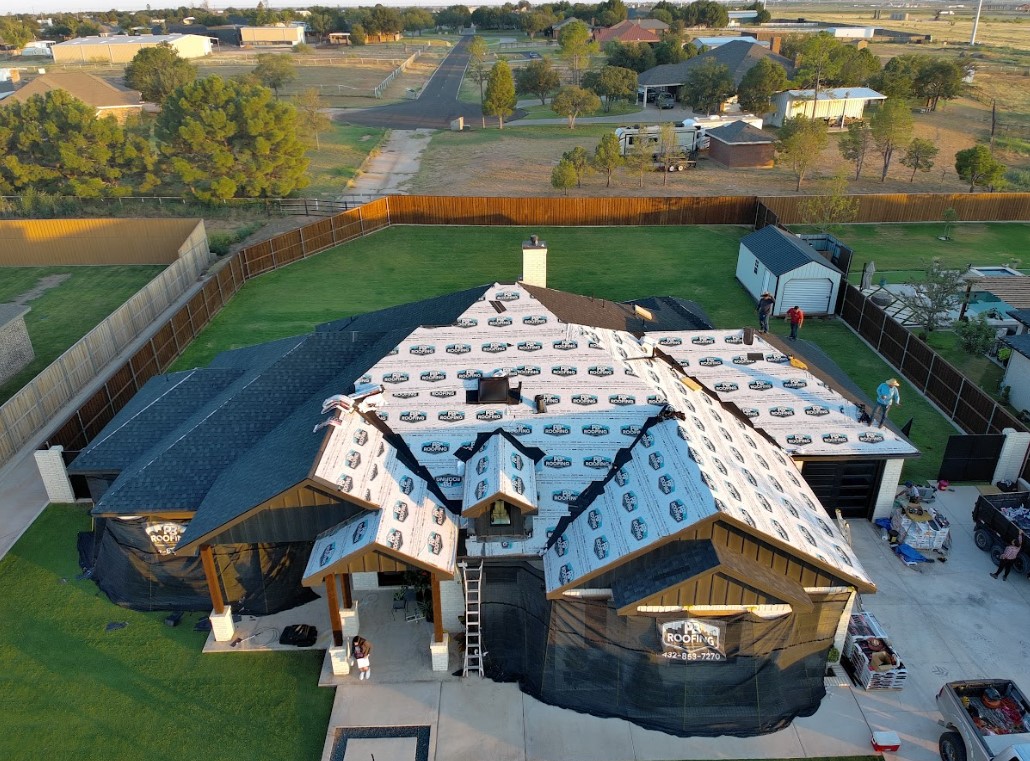
In West Texas, roof warranty coverage is not just paperwork. Between hail storms, strong winds, heat, and insurance claims, knowing exactly what your warranty includes can make the difference between a simple roof repair and paying out of pocket for a full roof replacement. Many homeowners hear the terms but never get a clear roofing warranty explained, and that leads to confusion when damage happens later.
At PB Roofing, your Permian Basin roofing company, we spend a lot of time helping customers with understanding roofing guarantees before and after a job is done. After more than 30 years working on roofs in Odessa, Midland, Fort Stockton, Big Spring, and nearby areas, we have seen how warranty coverage works in the real world, not just on paper.
This guide explains roof warranty coverage in plain language so you understand what is really covered, what is not covered, and how to make sure your roof qualifies for full protection.
What this guide covers
- What roof warranty coverage really includes
- Difference between product and workmanship warranties
- Why roofing warranty explained correctly matters in West Texas
- What can void roofing guarantees
- How to make sure your roof qualifies for full coverage
If you are unsure what your warranty covers, schedule a free inspection with PB Roofing today.
Why Roof Warranty Coverage Matters in the Permian Basin
Roof warranty coverage matters more in the Permian Basin than in most parts of the country because roofs here deal with harsher conditions. Hail, strong winds, extreme heat, and sudden storms put more stress on roofing systems, which means warranty questions come up more often after the job is finished. Understanding roofing guarantees before installation helps property owners know what protection they actually have when problems happen.
West Texas weather puts more stress on roofing systems
Roofs in Odessa, Midland, Fort Stockton, and surrounding areas take more damage than roofs in milder climates. Hail storms, high wind events, and long periods of heat can shorten the life of roofing materials and expose installation problems faster. Because of this, roof warranty coverage becomes especially important in this region.
Many people assume the warranty covers any type of damage, but most warranties only apply to defects in materials or installation, not weather-related damage.
Why a roofing warranty needs to be explained before the job starts
A common problem we see is homeowners being told they have a lifetime warranty without being told what that actually means. Having a roofing warranty explained clearly before the work begins helps avoid confusion later if a leak, storm, or material issue shows up.
Understanding roofing guarantees means knowing:
- what the warranty covers
- what it does not cover
- how long coverage lasts
- what conditions must be met for coverage to stay valid
When these details are not explained upfront, customers often expect the warranty to cover situations it was never designed to cover.
Basic roofing warranty terms every property owner should know
Understanding roof warranty coverage starts with knowing the difference between the main types of protection.
Product warranty
Covers defects in the roofing material itself.
Workmanship warranty
Covers installation mistakes made by the contractor.
Limited lifetime warranty
Covers the material for its expected lifespan under normal conditions.
Prorated warranty
Coverage decreases as the roof gets older.
When people ask for a roofing warranty explained, they are usually trying to figure out which of these protections actually applies.
What You Should Know Before Trusting a Roofing Warranty
Before depending on any warranty, you need to know what conditions must be met for the warranty to stay valid.
Things that affect roof warranty coverage include:
- Type of roofing material installed
- Impact rating and wind rating
- Manufacturer installation requirements
- Whether the contractor is certified
- Length of workmanship warranty
- Whether the warranty must be registered
- What types of damage are excluded
Lower-cost installations sometimes come with limited warranty protection. Full roofing systems installed according to manufacturer rules usually qualify for stronger roof warranty coverage.
Ventilation, permits, and inspections can also affect whether the warranty stays in effect.
Knowing these details ahead of time is part of understanding roofing guarantees.
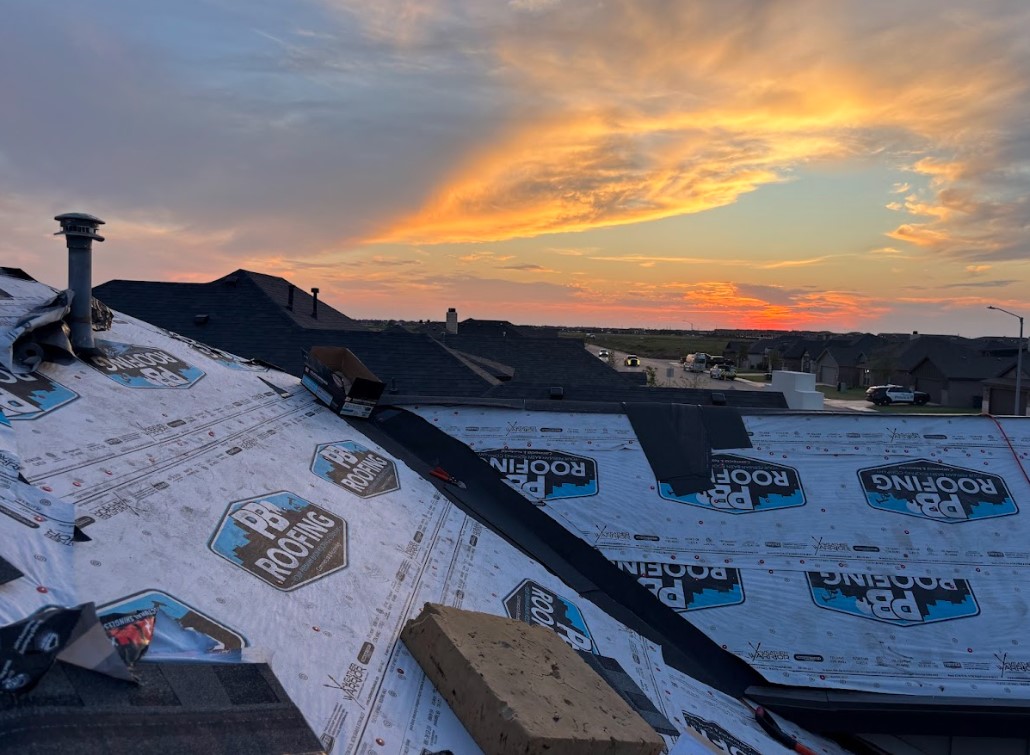
Roofing Warranty Explained: What Is Actually Covered
To understand roof warranty coverage, you need to know the difference between manufacturer protection, workmanship coverage, and the different warranty levels available.
Manufacturer warranty coverage
This usually includes:
- Factory defects
- Premature cracking
- Granule loss
- Membrane failure
- Coating defects
This usually does not include:
- Installation errors
- Hail damage
- Wind damage
- Poor ventilation
- Structural movement
Roof warranty coverage often depends just as much on installation as it does on the material.
Workmanship warranty coverage
A workmanship warranty covers problems caused by installation.
This may include:
- Leaks caused by improper installation
- Flashing mistakes
- Incorrect fastening
- Sealing problems
PB Roofing provides a 10-year workmanship warranty so customers have clear protection if installation issues appear later.
Types of manufacturer roof warranties
- Standard warranty
- System warranty
- Extended warranty
- NDL warranty
- Registered warranty
- Unregistered warranty
Different warranty levels can change roof warranty coverage significantly.
Why registering your roof warranty matters
Some warranties require registration after installation for full coverage to apply.
If the warranty is not registered:
- Coverage may be shorter
- Labor may not be included
- Full protection may not apply
Registration is one of the most overlooked parts of understanding roofing guarantees.
Can roof warranties transfer to a new owner
This usually requires:
- Paperwork
- Transfer fee
- Filing within a time limit
Transferable coverage is part of understanding roofing guarantees.
Roof warranty vs insurance claim
After storms in the Permian Basin, many owners expect warranty coverage, but the damage is often weather related.
What Most Roofing Warranties Do Not Tell You
Common exclusions include:
- Labor not included
- Coverage reduced over time
- Ventilation must meet code
- Accessories not covered
- Repairs by others void warranty
- Maintenance required
Warranty Length vs Actual Roof Life in West Texas
Local conditions include:
- Frequent hail
- High winds
- Extreme heat
- Insurance claim replacements
Warranty protects against defects, not every problem.
Do Roof Warranties Require Maintenance
Some warranties require:
- Inspections
- Recoating
- Drainage repairs
- Damage repairs
Maintenance may be required to keep roof warranty coverage active.
Roof Warranty Questions Homeowners Ask in Odessa, Midland, and the Permian Basin
When people start looking into roof warranty coverage, the same questions come up over and over. These answers explain roofing warranty details in plain terms so you can better understand roofing guarantees before repairs, replacement, or storm damage claims.
What does roof warranty coverage actually include
Roof warranty coverage usually includes defects in roofing materials and problems caused by improper installation. It normally does not include hail, wind, or storm damage unless the damage was caused by a material failure or installation error.
Do roofing warranties cover hail damage in West Texas
Roofing warranties usually do not cover hail damage in West Texas because storm damage is considered an outside event, not a defect. In most cases, hail damage in the Permian Basin is handled through insurance claims instead of warranty coverage.
What is the difference between a product warranty and a workmanship warranty
The difference between a product warranty and a workmanship warranty is what caused the problem. A product warranty covers defects in the material, while a workmanship warranty covers mistakes made during installation, both of which affect roof warranty coverage.
Do I need to register my roof warranty after installation
You may need to register your roof warranty after installation for full coverage to apply. Some manufacturers require registration within a certain time, and missing that step can reduce the length or level of roof warranty coverage.
Can a roof warranty transfer to a new homeowner
A roof warranty can sometimes transfer to a new homeowner, but the transfer usually requires paperwork and must be done within a certain time. Transferable coverage is part of understanding roofing guarantees, especially when selling a home or building.
Does a lifetime warranty mean the roof will last forever
A lifetime warranty does not mean the roof will last forever because roof warranty coverage is based on normal conditions. In the Permian Basin, hail, wind, and heat can shorten roof life even when the warranty is still active.
Can poor installation void roof warranty coverage
Poor installation can void roof warranty coverage if the roof was not installed according to manufacturer requirements. This is why having the roofing warranty explained before the job starts is important when choosing a contractor.
Do commercial roofs have different warranty rules
Commercial roofs often have different warranty rules because flat roofs, foam systems, and coatings may require inspections or maintenance to keep roof warranty coverage valid. Understanding roofing guarantees is especially important for commercial properties in West Texas.
What to Know About Roof Warranty Coverage Before You Replace or Repair Your Roof
Understanding roof warranty coverage before installing a new roof can prevent problems later. Having the roofing warranty explained clearly helps you know what is protected, what is not, and what must be done to keep coverage valid.
If you have questions about warranty coverage, PB Roofing can inspect the roof and explain the warranty in plain terms.
With more than 30 years of combined experience across the Permian Basin, we install roofing systems correctly, use proven materials, and stand behind our work.
Schedule your free inspection with PB Roofing today.
Recent Articles
Residential Roofing
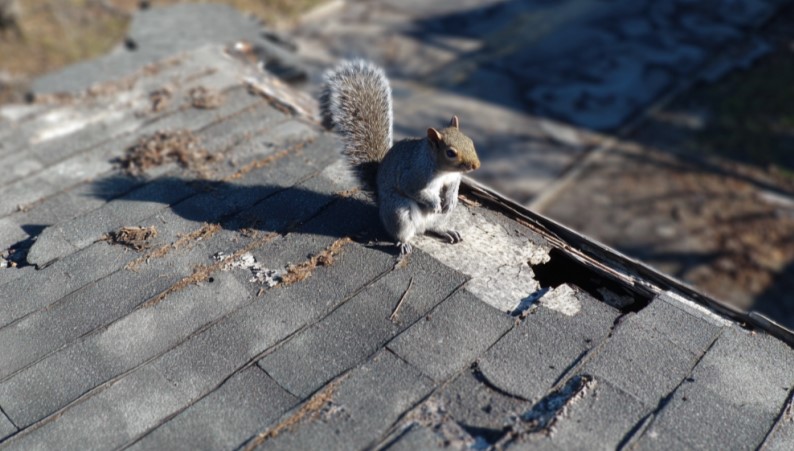
Wildlife vs. Roofing: What Midland Homeowners Need to Know
Animals in roof systems take advantage of weaknesses created by wind, hail, and aging materials. Protecting roofs from pests starts with strong installation and continues with regular inspection.
May 8, 2026
Residential Roofing
Heat-Resistant Roofing: Which Materials Stand Up Best to Texas Summers
Heat resistant roofing is designed to reflect more solar radiation and absorb less heat. Cool roofing materials reduce surface temperatures and slow deterioration.
May 1, 2026

Residential Roofing
How to Avoid Losing Your Roof Warranty Through Maintenance Mistakes
A roof maintenance warranty only protects you if the rules are followed. Small mistakes, skipped inspections, or unapproved repairs can lead to a voided roof warranty even when the roof is still new.
April 6, 2026
Residential Roofing
Understanding Roof Warranties: What’s Really Covered
Understanding roof warranty coverage before installing a new roof can prevent problems later. Having the roofing warranty explained clearly helps you know what is protected and what is not.
April 1, 2026