
Why Screws Fail on Metal Roofs and How to Fix Them
January 4, 2026
•
Written By
PB Roofing
.png)
In places like Midland, Odessa, and across the Permian Basin, metal roofs take more punishment than most. Every day, we see the damage caused by extreme heat, sudden wind gusts, and years of sun exposure. One of the most common problems? Roof screw leaks. Whether you’re a homeowner in Mission Estates or running a shop in Fort Stockton, loose or failed fasteners can lead to costly interior damage fast.
We get this question a lot: Can I just replace the screws, or do I need a bigger repair? That’s what this post is here to answer.
Here’s what you’ll learn:
- Why screws on metal roofs loosen, rust, or fail in West Texas
- How to tell if fasteners are causing leaks
- What “rescue screws” can (and can’t) fix
- When a full restoration or replacement makes more sense
- What fastener materials and warranties to look for
- What to expect from a PB Roofing inspection and repair
If your metal roof is leaking or your fasteners are backing out, PB Roofing can help. We’re small enough to care about every customer, large enough to handle major commercial jobs, and we’ll be out fast—usually within 24 hours.
Schedule your free inspection today and get answers you can trust.
Why Fastener Failure Matters in West Texas
Metal roofing systems depend on fasteners to hold panels in place and keep water out. When those fasteners fail, water finds a path into your building. In West Texas, screws loosen faster than many people expect because of:
- Daily temperature swings that make metal expand and contract
- Wind uplift and vibration during storms
- Ultraviolet sun exposure that dries out and cracks washer seals
- Hail impacts that deform fastener heads or weaken coatings
A fastener failure at one or two screws might seem minor at first. But ignored leaks often lead to water stains, rotted decking, wet insulation, and interior damage that costs far more than fixing the roof in the first place.
.png)
What You Should Know Before Fixing Screws
Inspection Comes First
Not all leaks are caused by screws. Flashings, ridge caps, penetrations, and side laps can all leak. A proper inspection identifies the real source of the issue.
Budget the Right Way
Replacing a few screws is inexpensive. If hundreds of fasteners are loose or rusted, that points to a larger problem that requires more work.
Permits and Local Requirements
Routine maintenance like tightening or replacing screws usually does not require permits in Odessa and Midland. Structural repairs, restorations, or panel replacements sometimes do. PB Roofing handles permitting when required.
Materials Matter
Fasteners need to be corrosion resistant and have UV‑stable washers. We use screws that are rated for our climate with neoprene or EPDM seals and corrosion‑resistant coatings.
Safety Is Not Optional
Roof work can be dangerous without the right gear and training. Our crews work safely and efficiently so you get solid results without risk.
How and Why Screws Fail on Metal Roofs
Thermal Expansion and Contraction
In the Permian Basin, metal roofing expands and contracts with temperature swings every day. Over time, this movement works screws loose.
What we do: We replace worn fasteners with ones sized correctly for thermal movement and install them in the proper locations based on manufacturer recommendations.
Wind Uplift and Vibration
Strong winds around Odessa and Midland can lift panels and shift them back and forth. That vibration eventually loosens fasteners.
What we do: We set fasteners in locations that resist uplift and tighten them to the right torque. Loose screws in low spots or flats are replaced with properly rated fasteners.
UV Exposure and Washer Wear
Sunlight dries out and cracks the washer around the screw head. Once the washer fails, water can get past the screw hole.
What we do: We use UV‑resistant washer systems designed for long service life in intense sun. Rescue screws help in a pinch but must be the right type.
Rust and Corrosion
Moisture and past leaks around screws allow rust to develop. Rust weakens the metal and compromises the fastener seal.
What we do: Rust is cleaned and treated before installing corrosion‑resistant fasteners and adding protective coatings.
Improper Original Installation
Screws installed at the wrong angle or spot often fail early. That is common with storm chasers or inexperienced roofers.
What we do: We follow panel manufacturer specs and local wind codes. Proper placement and installation prevent premature failure.
Repair, Restoration, or Replacement
Fixing a few failed screws is one thing. But sometimes more is going on.
When Simple Screw Repair Works
- Only a few fasteners have failed
- Panels are aligned and undamaged
- No rust or movement issues
In these cases, replacing the bad screws with quality fasteners often stops the leaks.
When Roof Restoration Makes Sense
- Many fasteners are loose or rusted
- Coating is failing
- Panels are weathered
Restoration involves resealing seams, replacing fasteners correctly, treating rust, and recoating the roof. This gives you more life out of the existing system.
When Full Replacement Is the Best Choice
- Structural elements are compromised
- Panels are aged or damaged beyond repair
- Fastener issues are one of many failures
Replacement gives you a new system with new panels, fasteners, and warranties.
Materials, Warranties, and Long Term Performance
Fasteners are just one part of a metal roof system. The panel type, coatings, underlayment, and flashings all work together to protect your building.
Fastener Materials That Hold Up
- High‑grade coated steel with UV‑stable washers
- Stainless steel fasteners for maximum corrosion resistance
At PB Roofing, we match fasteners to panel type and climate conditions so one part does not fail prematurely.
Warranty You Can Count On
- Manufacturer warranties on products can be up to a lifetime on select systems
- PB Roofing provides a 10‑year workmanship warranty
Warranties matter, but they only apply when installation and maintenance are done correctly.
Energy and Moisture Control
A properly tightened and sealed roof helps reduce air and moisture infiltration, which improves insulation performance.
Pros and Cons of Different Approaches
Fastener Replacement Only
Pros
- Quick and usually inexpensive
- Stops current leaks in many cases
Cons
- Does not address underlying issues
- May not be long term if panels or coatings are worn
Roof Restoration with Fastener Work
Pros
- Addresses the root cause
- Extends roof life
Cons
- Higher cost than simple screw replacement
- Requires scheduled downtime
Full Roof Replacement
Pros
- Longest‑term solution with new materials and warranties
Cons
- Highest cost
- Most disruption
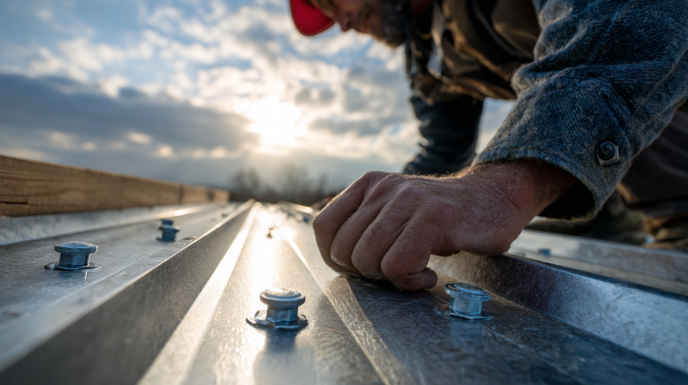
Fastener Failures on Metal Roofs: FAQs for Midland and Odessa Property Owners
Whether you’re dealing with leaks in your home or ongoing issues at a commercial site, loose or failing screws are one of the most common causes of metal roof trouble in the Permian Basin. Here are some clear answers to the questions we hear most often about roofing fasteners and what to do when they start to fail.
How to Protect Your Roof from Screw Failures
Fastener issues are common in West Texas because of heat, wind, and hail. The best way to protect your roof is regular inspections, quality materials, and professional installation.
At PB Roofing, we bring decades of local roofing experience to every inspection and repair. We show up fast, use trusted materials like Mule‑Hide, Uniflex, and GAF products, and stand behind our work with clear, honest pricing.
If you’re dealing with leaks or concerns about fasteners, schedule your free inspection with PB Roofing today.
Recent Articles
Residential Roofing
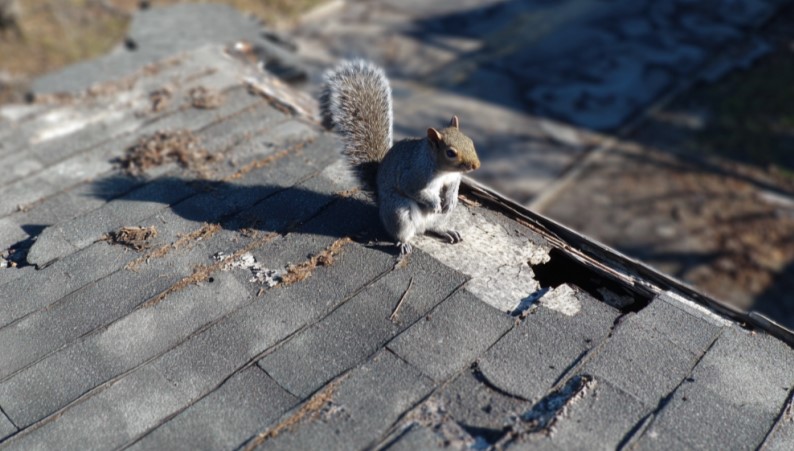
Wildlife vs. Roofing: What Midland Homeowners Need to Know
Animals in roof systems take advantage of weaknesses created by wind, hail, and aging materials. Protecting roofs from pests starts with strong installation and continues with regular inspection.
May 8, 2026
Residential Roofing
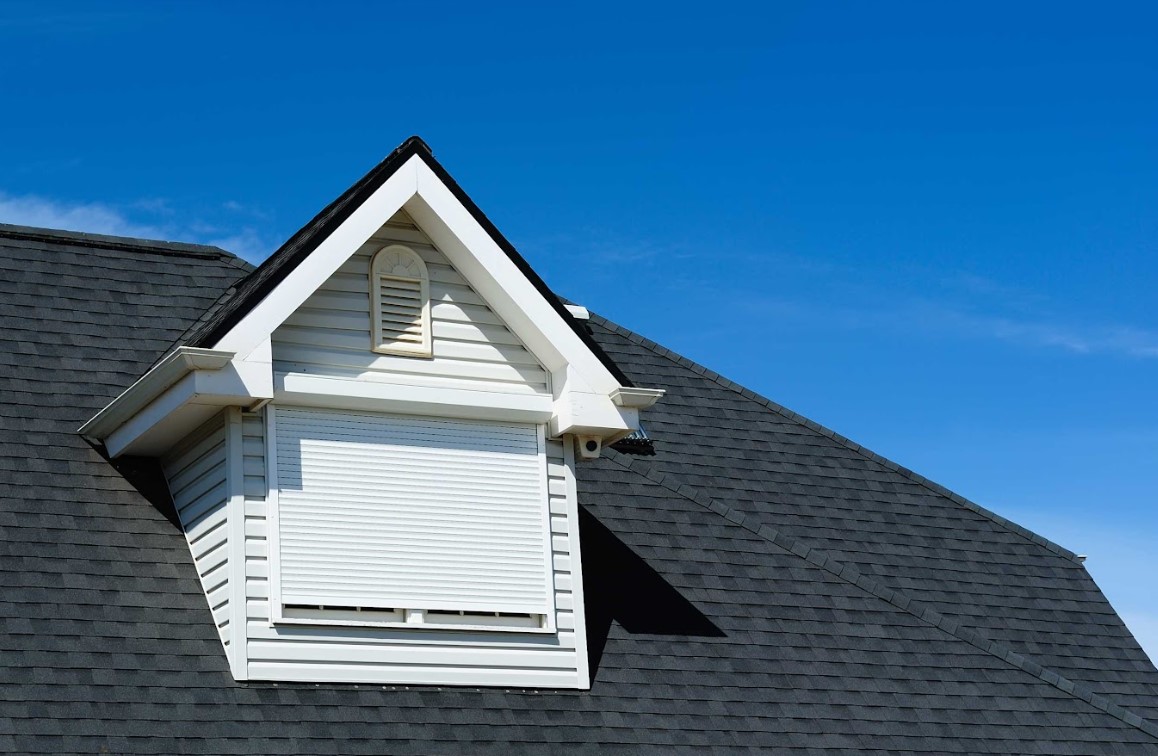
Heat-Resistant Roofing: Which Materials Stand Up Best to Texas Summers
Heat resistant roofing is designed to reflect more solar radiation and absorb less heat. Cool roofing materials reduce surface temperatures and slow deterioration.
May 1, 2026

Residential Roofing
How to Avoid Losing Your Roof Warranty Through Maintenance Mistakes
A roof maintenance warranty only protects you if the rules are followed. Small mistakes, skipped inspections, or unapproved repairs can lead to a voided roof warranty even when the roof is still new.
April 6, 2026
Residential Roofing
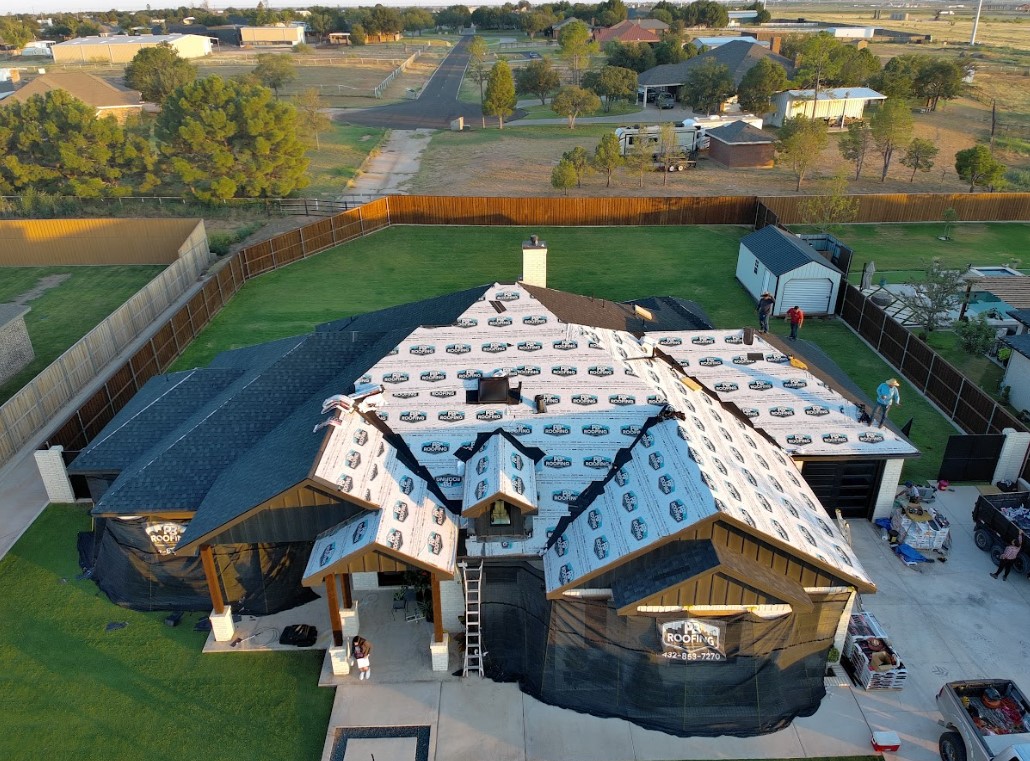
Understanding Roof Warranties: What’s Really Covered
Understanding roof warranty coverage before installing a new roof can prevent problems later. Having the roofing warranty explained clearly helps you know what is protected and what is not.
April 1, 2026