
How the West Texas Sun Wears Down Your Roof and How to Protect It
When most Permian Basin homeowners think about roof damage, their minds go straight to hail and high winds. Those storms get the headlines, and for good reason. But there is a quieter, more constant threat working on your roof every single day, and it never takes a season off. The relentless West Texas sun beats down on your home from sunrise to sunset, and over the years that steady heat and ultraviolet exposure can age a roof faster than almost anything else.
Understanding how the sun affects your roof is the first step toward protecting it. From the shingles on the surface to the air trapped in your attic, intense heat puts pressure on every part of your roofing system. The good news is that with the right materials, proper ventilation, and a little routine attention, you can fight back against the West Texas climate and get the full lifespan out of the roof over your head.
Why the West Texas Sun Is So Hard on Roofs
The Permian Basin sees some of the most intense sun exposure in the country. Long summers, high temperatures, and clear skies mean your roof absorbs heat for hours on end, day after day. Asphalt shingles can reach surface temperatures far higher than the air temperature, and that constant baking slowly dries out the materials that keep your roof flexible and watertight.
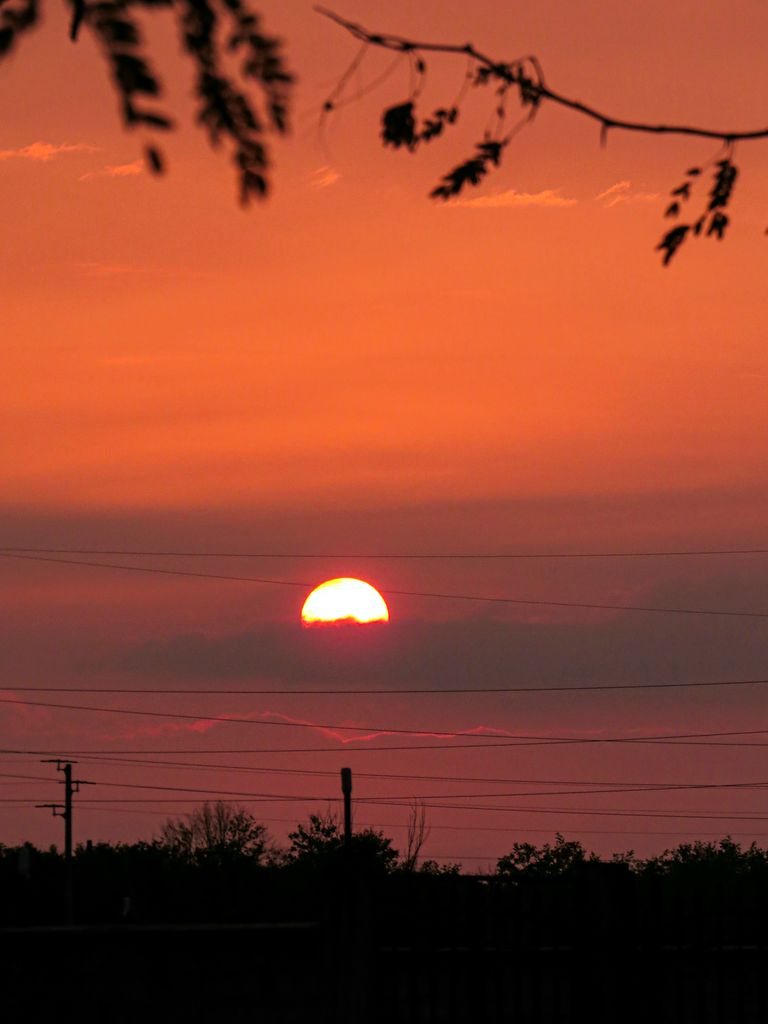
Ultraviolet radiation is the part most people overlook. UV rays break down the chemical bonds in roofing materials, causing shingles to lose their protective oils and grow brittle over time. As the shingle dries out, it becomes more prone to cracking, curling, and granule loss, which exposes the asphalt underneath to even more sun. It is a cycle that feeds on itself, and it speeds up the older a roof gets.
Then there is thermal cycling. West Texas days can be scorching while nights cool down quickly, and that daily swing causes roofing materials to expand and contract again and again. Over months and years, this repeated movement loosens fasteners, opens up small gaps around flashing and seams, and works shingles loose at the edges. None of it happens overnight, but the cumulative effect is a roof that wears out well before its time if it is not built and maintained for this climate.
The Hidden Role of Attic Ventilation
What happens above your living space matters just as much as what happens on the surface of your roof. When the sun heats your roof, that heat radiates down into the attic, and without a way to escape it builds up to extreme levels. An under-ventilated attic in a West Texas summer can become a furnace, and all that trapped heat works against your roof from the inside out.
Need a roof repaired? Click here for our roof repair service.
Proper attic ventilation gives that hot air a path to flow out, usually through a balanced system of intake vents near the eaves and exhaust vents near the ridge. When air can move freely, attic temperatures drop, moisture has somewhere to go, and the underside of your roof deck stays far healthier. Without that airflow, heat and humidity can cook your decking, warp materials, and shorten the life of your shingles from below while the sun does its damage from above.
There is a comfort and cost angle here too. An overheated attic makes your air conditioner work harder to keep your home livable, which drives up energy bills during the hottest months of the year. Improving ventilation is one of the most overlooked ways to protect both your roof and your wallet, and it is something worth evaluating any time you have a roof inspected or replaced in the Permian Basin.
Warning Signs Your Roof Is Sun Damaged
Sun damage tends to show up gradually, so it helps to know what to look for before a small problem becomes a leak. One of the earliest signs is fading or uneven coloring across the roof, especially on the slopes that face the harshest afternoon sun. While fading alone is mostly cosmetic, it is often the first hint that the protective surface of your shingles is breaking down.
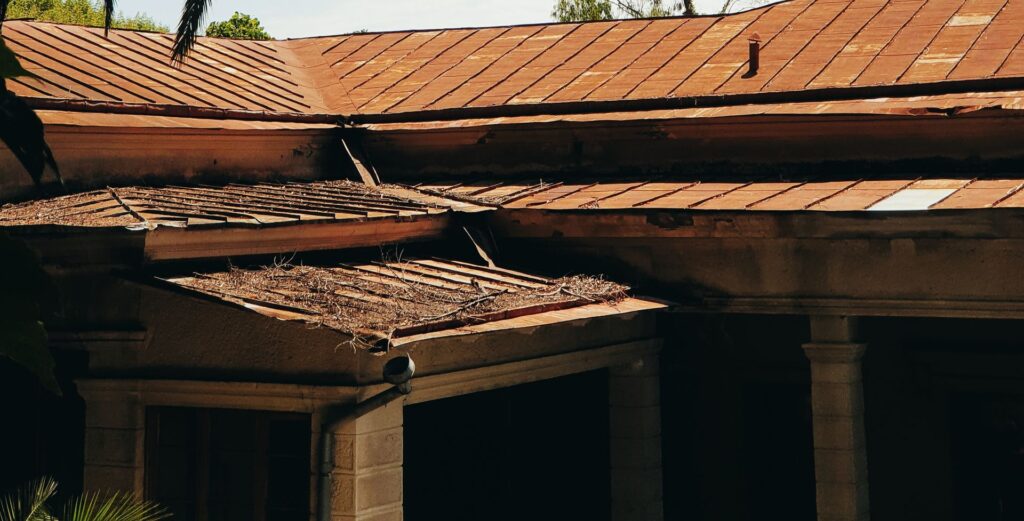
As damage progresses, you may notice shingles that look dried out, curled at the corners, or cracked across the surface. You might also see granules collecting in your gutters or at the bottom of downspouts, which is a sign the protective coating is wearing away. Blistering, where small bubbles form on the shingle surface, is another red flag that heat and trapped moisture have been at work. Inside the home, a hot upstairs that never seems to cool down can point to ventilation problems tied to the same heat.
The tricky part is that a lot of this damage is hard to judge from the ground, and climbing up to inspect it yourself is both unsafe and easy to get wrong. A trained roofer knows the difference between normal wear and the kind of sun damage that calls for action. If your roof has been baking through several West Texas summers and you have never had it looked at closely, a professional inspection is the smartest way to find out where you really stand.
Smart Ways to Protect Your Roof From the Heat
The most effective protection starts with the right materials. If you are replacing a roof in the Permian Basin, it is worth talking with your roofer about products designed to reflect heat and hold up under intense UV exposure. Many modern shingles and metal systems are engineered to bounce away a portion of the sun’s energy, which keeps surface temperatures lower and slows the aging process compared to older or lower-grade materials.
Want the right Odessa-area contractor? Click here to learn more.
Reflective roof coatings are another option, particularly for flat and low-slope roofs that are common on commercial buildings and some homes. A quality coating adds a protective layer that reflects sunlight, reduces heat absorption, and can extend the life of an existing roof while helping with energy efficiency. Pairing the right surface with the proper ventilation underneath gives your roof the best possible defense against the climate it has to live in.
Beyond materials, the simplest protection is consistent attention. Keeping gutters clear so water drains properly, trimming back branches that scrape against shingles, and sealing up small gaps before they grow all help your roof stand up to the heat. None of these steps are complicated, but together they make a real difference in how long your roof lasts. When you want it done right, a local crew that understands West Texas conditions can handle the work and spot the issues you might miss.
Why Routine Maintenance Pays Off in the Permian Basin
Roofs rarely fail without warning. More often, a small issue that could have been fixed cheaply is left alone until it turns into a leak, rotted decking, or a full replacement. In a climate as demanding as West Texas, routine maintenance is the difference between getting every year of life out of your roof and replacing it years too soon. A little attention now saves a lot of money later.
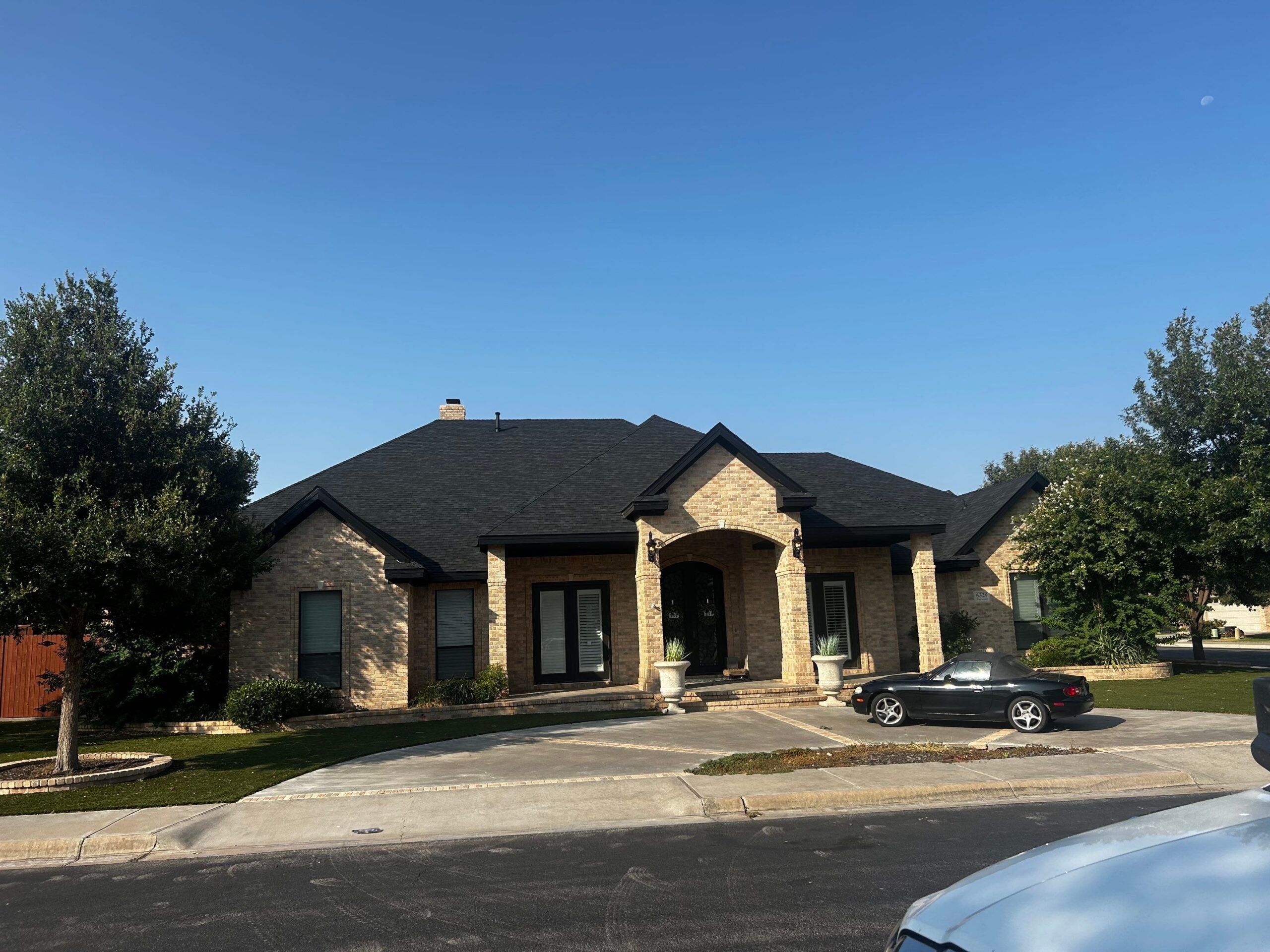
Regular inspections are the backbone of good maintenance. Having a professional check your roof on a regular basis, and especially after a rough storm season, means problems get caught while they are still small and affordable to fix. An inspector can clear minor debris, reseal vulnerable spots, confirm your ventilation is doing its job, and give you an honest read on how much life your roof has left. That kind of insight helps you plan and budget instead of being caught off guard.
This is where working with a trusted local company makes all the difference. A roofer who knows the Permian Basin understands exactly how the heat, sun, hail, and wind work together to wear down a roof, and they know what to look for because they see it every day. PB Roofing offers free inspections across Odessa, Midland, and the surrounding communities, so you can stay ahead of sun damage instead of paying for it down the road.
The West Texas sun is not going anywhere, and neither is the toll it takes on your roof. While you cannot stop the heat and UV exposure, you can absolutely control how well your roof is built to handle it and how well it is maintained over the years. Choosing heat-resistant materials, keeping your attic properly ventilated, and staying on top of routine inspections all add up to a roof that protects your home for as long as possible.
If it has been a while since anyone took a close look at your roof, now is the time to act, before the next long summer adds another year of wear. The team at PB Roofing knows West Texas roofs inside and out and is ready to help you protect your most valuable investment. Call PB Roofing today at (432) 853-7270 to schedule your free inspection and find out exactly how your roof is holding up against the Permian Basin sun.