
How Often Should You Have Your Roof Inspected
Most homeowners never think about their roof until water stains show up on the ceiling. By that point, the damage has usually been building for months. A regular roof inspection schedule catches problems while they are still small and cheap to fix. In West Texas, the answer is at least twice a year, plus after any major hail or wind storm. Summer heat in the Permian Basin pushes shingles to their limit, and the spring storm season that just passed may have left damage you cannot see from the ground. Odessa, Midland, and the surrounding communities deal with some of the harshest roofing conditions in the country. UV exposure, triple digit temperatures, blowing dust, and sudden hail all take a toll on roofing materials. Knowing when to schedule a roof inspection is one of the smartest moves a homeowner can make.
How Often Should a Roof Inspection Happen in West Texas
The general industry standard calls for a roof inspection twice a year, once in the spring and once in the fall. West Texas homeowners should treat that standard as a minimum, not a goal. The Permian Basin sees extreme heat, high winds, and hail that most parts of the country never experience. Each of those forces shortens the life of asphalt shingles and stresses every seal and flashing point on your home. A mid summer checkup after storm season is especially valuable, because hail damage often hides in plain sight. Older roofs need even more attention than newer ones. The schedule below breaks down exactly when a roof inspection should happen and why the timing matters. Following it can add years to the life of your roof.
The Twice a Year Roof Inspection Schedule
A spring and fall roof inspection schedule works because it brackets the two hardest seasons on a West Texas roof. The spring inspection catches damage left behind by winter wind and any early hail events. It also prepares your roof for the brutal summer heat that is coming. The fall inspection catches everything summer did to your shingles, from UV cracking to blistering caused by trapped heat. Inspecting at these two points means no damage sits unnoticed for more than about six months. That window is short enough to stop most leaks before they reach your decking or insulation. It is also short enough to keep repair costs low. Homeowners who follow this schedule almost never face surprise roof failures.
Summer is actually one of the best times to squeeze in an extra roof inspection in the Permian Basin. Hail season in Odessa and Midland typically runs from late March through June, and July is when that damage starts turning into real leaks. Bruised shingles lose granules quickly under intense summer sun. Once the granules are gone, the asphalt underneath bakes, cracks, and lets water through during the next thunderstorm. A July or August inspection finds those weak spots while repairs are still simple. It also confirms your attic ventilation is keeping up with the heat. Poor ventilation in summer can cook shingles from below and void manufacturer warranties. An inspector can spot all of these issues in a single visit.
Sticking to a consistent roof inspection routine also creates a paper trail that protects you financially. Documented inspections prove to your insurance company that damage came from a storm rather than neglect. That distinction often decides if a claim gets approved or denied. Manufacturer warranties from brands like IKO and Owens Corning also expect reasonable maintenance from the homeowner. Regular inspection records show you held up your end of the deal. Many homeowners keep a simple folder with inspection dates, photos, and repair receipts. That folder becomes incredibly valuable the day a big storm rolls through. It can be the difference between a fully covered replacement and a costly fight with an adjuster.
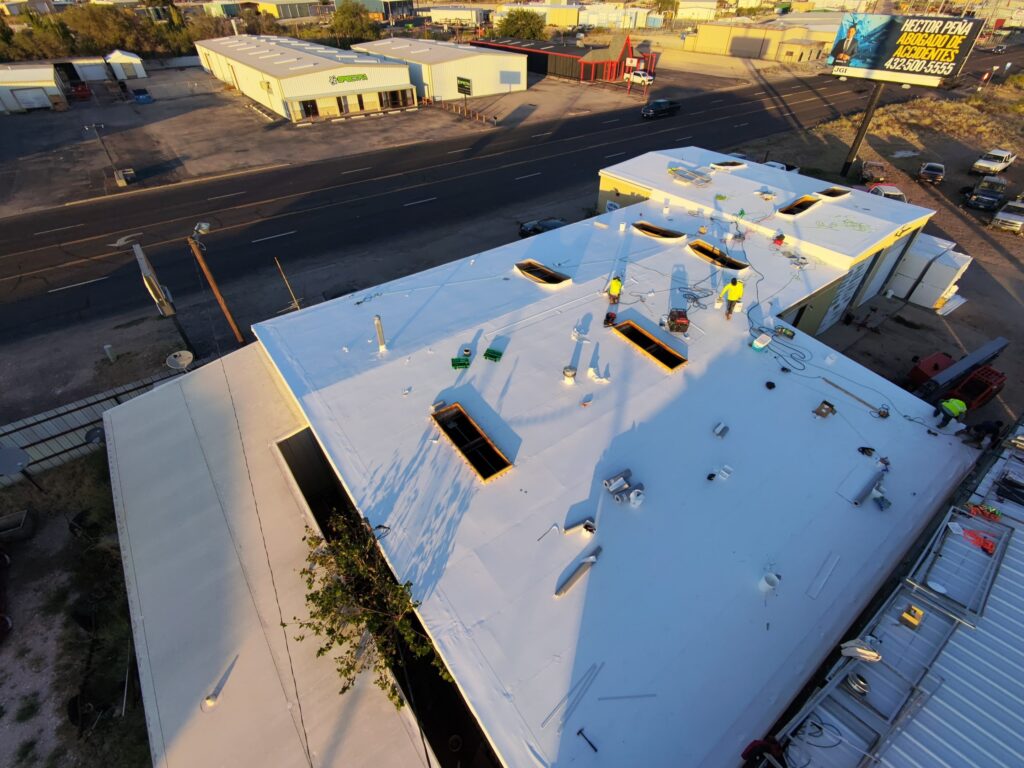
A Roof Inspection After Every Major Storm
Every significant hail or wind event should trigger a roof inspection, no matter when your last one happened. Hail does not need to be huge to cause damage; even one inch stones can bruise shingle mats and knock granules loose. Wind gusts common in West Texas can lift shingle edges and break the adhesive seal underneath. Once that seal breaks, the shingle may lie flat again and look perfectly fine from the street. The next strong gust peels it back further, and the one after that tears it off completely. Storm damage is progressive, which means waiting makes everything worse. A prompt inspection documents the damage while it is fresh. That documentation directly supports your insurance claim.
Insurance timing is another reason a post storm roof inspection cannot wait. Most Texas homeowner policies limit how long you have to file a storm damage claim, and adjusters scrutinize late claims heavily. Fresh hail impacts are easy for an experienced inspector to identify and photograph. Six months later, those same impacts blend in with normal weathering, and the adjuster has room to argue. Getting a professional on the roof within days of a storm locks in the evidence. It also gives you a clear repair scope before you ever call your insurance company. Homeowners who inspect first negotiate from a position of strength. Homeowners who wait often leave thousands of dollars in covered repairs on the table.
Do not rely on a ground level glance to decide if a storm hurt your roof. Some of the most expensive damage is completely invisible from the driveway. Cracked pipe boots, dented vents, punctured ridge caps, and lifted flashing all hide from view. Even missing granules are hard to spot without getting on the roof and looking closely. Interior signs like ceiling stains usually appear weeks or months after the storm that caused them. By then, insulation is soaked and decking may be rotting. A professional storm inspection finds the damage the same week it happens. If a recent storm has you worried, click here for our roof repair service and get an expert set of eyes on your roof.
Annual Roof Inspection Timing for Older Roofs
Roofs older than ten years need a roof inspection more often than newer ones. Asphalt shingles lose flexibility and granule coverage as they age, which makes them far more vulnerable to heat and hail. A fifteen year old roof can suffer damage from a storm that a five year old roof would shrug off. Aging sealants around vents, skylights, and flashing dry out and crack in the West Texas sun. Those small cracks become active leaks faster on an older roof because the surrounding materials have less reserve strength. Quarterly visual checks from the ground, paired with two professional inspections a year, are a smart routine. This approach catches age related failures early. It also helps you plan for replacement on your timeline instead of in a panic.
Knowing the true condition of an aging roof lets you budget instead of gamble. An inspector can estimate how many years of service your shingles have left based on granule loss, cracking, and mat exposure. That estimate turns a future replacement from a surprise expense into a planned project. Planned replacements almost always cost less because you can schedule work in the off season and compare options carefully. Emergency replacements after a failure happen on the contractor’s schedule and often include interior repair costs. Regular inspections of an older roof also reveal if targeted repairs can safely extend its life. Sometimes a few hundred dollars in repairs buys three more years. Sometimes the honest answer is that replacement is the smarter spend, and an inspection tells you which is true.
There comes a point where inspection findings shift the conversation from repair to replacement. Widespread granule loss, curling shingles across multiple slopes, and repeated leaks in different spots are all signals that the roof system is done. Continuing to patch a failing roof wastes money and leaves your home exposed. PB Roofing applies full credit from past repairs toward a future replacement, so nothing you spent on maintenance is lost. That policy makes it easy to repair responsibly now and replace confidently later. A four year labor warranty backs every replacement job we complete. If your inspections keep turning up new problems, click here for our roof replacement service and get a free estimate. Knowing your options costs nothing.
What a Professional Roof Inspection Covers
A professional roof inspection goes far beyond a quick look at your shingles. A trained inspector evaluates the entire roofing system, from the surface materials down to the attic below. Each component gets checked against known failure patterns for its age and material type. In West Texas, inspectors pay special attention to heat damage, hail bruising, and wind lifted edges. They also examine every penetration point, since vents and pipe boots fail long before the shingles around them. The inspection ends with photos and a written summary you can actually use. Understanding what gets checked helps you judge the quality of any inspection you pay for. It also helps you ask better questions when the report comes back.
The Shingle and Surface Roof Inspection
The surface portion of a roof inspection focuses on the condition of every shingle on every slope. Inspectors look for cracking, curling, cupping, and blistering, all of which signal heat stress or age. Granule loss gets special attention because granules are the shingle’s only defense against UV radiation. Bald spots on shingles mean the asphalt underneath is baking and will crack soon. Hail bruises show up as soft, dark circles where granules have been knocked away in a pattern. Wind damage appears as lifted tabs, creased shingles, or missing pieces entirely. In the Permian Basin, inspectors also check for dust and debris buildup in valleys. Each finding gets photographed and mapped so repairs can be targeted precisely.
Summer conditions in Odessa and Midland create surface problems that inspectors specifically hunt for. Thermal cycling, where shingles expand in 105 degree afternoons and contract during cooler nights, gradually breaks the adhesive seal strips. Broken seals let wind get underneath shingles during the next storm. Blistering happens when trapped moisture or poor ventilation superheats the shingle from below, forming bubbles that pop and expose the mat. South and west facing slopes take the worst UV punishment and usually age fastest. A good inspector compares slope conditions to identify uneven wear. That comparison reveals ventilation problems and installation flaws. Catching these summer specific issues early prevents leaks when fall storms arrive.
The surface inspection also covers ridge caps, hip shingles, and the edges where wind damage starts. Ridge caps sit at the highest point of the roof and take direct hits from both hail and wind. They crack earlier than field shingles because they bend over the ridge line. Drip edges and rake edges get checked for lifting, rust, and separation from the fascia. Valleys receive close examination since they carry the highest volume of water during heavy rain. A clogged or damaged valley can dump water under shingles in a single storm. Inspectors also note any previous repairs and evaluate if they were done correctly. Poor past repairs are one of the most common leak sources found during inspections.
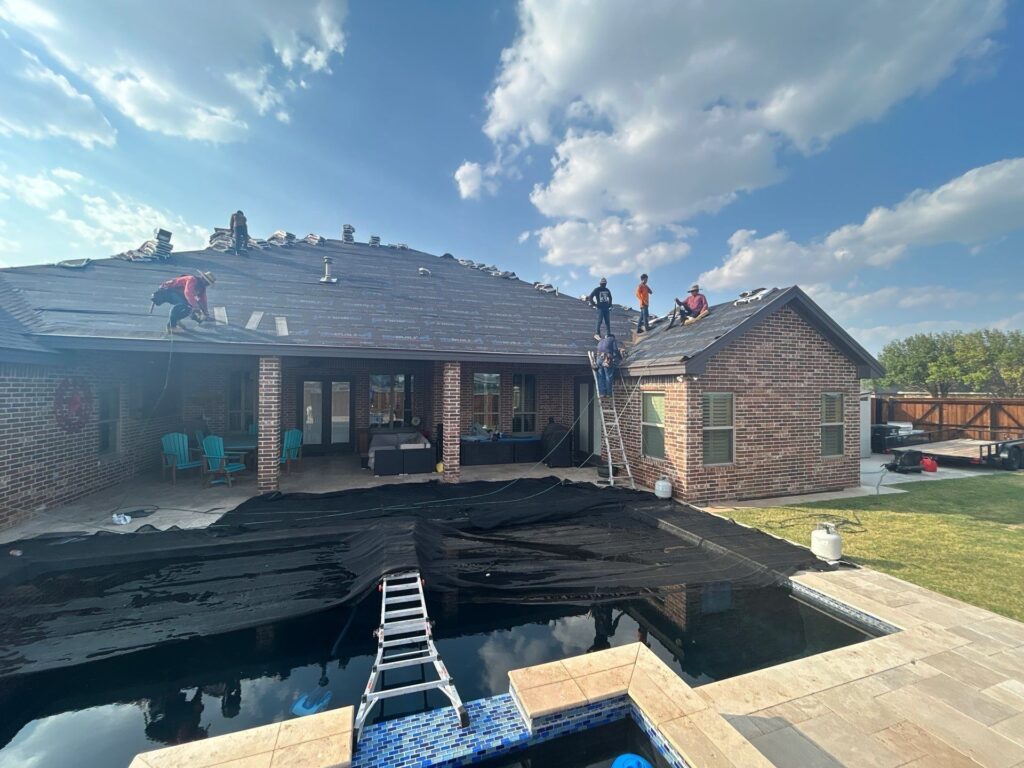
The Flashing and Penetration Roof Inspection
Flashing points are where most roof leaks actually begin, so a thorough roof inspection spends serious time on them. Flashing is the metal that seals the joints where the roof meets chimneys, walls, skylights, and other structures. West Texas heat causes flashing to expand and contract daily, which slowly works fasteners loose and opens gaps. Sealant around flashing dries out and cracks under relentless UV exposure. An inspector checks every flashing point for separation, rust, lifted edges, and failed caulk. Step flashing along walls gets examined piece by piece. Chimney flashing gets special scrutiny because it involves multiple layers that must overlap correctly. One failed flashing joint can leak for months before you see any interior evidence.
Pipe boots and vent penetrations fail more often than almost any other roof component in this climate. The rubber gaskets on pipe boots typically crack within seven to ten years under Permian Basin sun, long before the shingles around them wear out. A cracked pipe boot creates a direct channel for rainwater to run down the pipe and into your walls. Inspectors check every boot for splits, brittleness, and gaps around the pipe. Attic vents, turbine vents, and ridge vents get checked for hail dents, loose fasteners, and blocked airflow. Bathroom and kitchen exhaust penetrations are examined for the same failures. These small components cost little to replace during a routine inspection visit. Left alone, they cause some of the most expensive water damage a home can suffer.
Skylights, satellite mounts, and solar attachments add penetration points that many homeowners forget about. Every hole ever put through your roof deck is a potential leak for the life of the home. Inspectors verify that each of these penetrations still has intact flashing and sound sealant. Abandoned mounts from old satellite dishes are a frequent leak source found during inspections. Skylight curbs get checked for cracked glazing seals and deteriorated flashing kits. Even properly installed penetrations need resealing periodically in this climate. A detailed inspection report lists every penetration and its current condition. That list becomes your maintenance roadmap for the next several years.
The Attic and Interior Roof Inspection
The attic portion of a roof inspection often reveals problems the exterior view completely missed. Inspectors look at the underside of the roof decking for water stains, dark spots, and soft areas. Stains show exactly where water has been entering, even when the leak is intermittent. Daylight visible through the decking indicates holes or separated boards that need immediate attention. Insulation gets checked for compression, moisture, and mold, since wet insulation loses its value and breeds problems. Rafters and trusses are examined for sagging, cracking, or rot. This interior evidence often pinpoints leak sources faster than any exterior search. It also confirms if past leaks were actually fixed or just slowed down.
Ventilation gets evaluated during the attic inspection, and in West Texas this step matters enormously. A poorly ventilated attic in July can exceed 150 degrees, which cooks your shingles from underneath and shortens their life by years. Inspectors measure intake at the soffits and exhaust at the ridge or vents to confirm air is actually moving. Blocked soffit vents, painted over vents, and insulation stuffed into airflow paths are common findings. Excess attic heat also drives up your cooling bills every single day of the summer. Proper ventilation protects your shingles, your energy budget, and your manufacturer warranty at the same time. Many shingle warranties require adequate ventilation to remain valid. An inspection is the only way to know yours qualifies.
Interior living spaces get a final check for the subtle signs of roof trouble. Ceiling stains, bubbling paint, and musty odors near exterior walls all point toward moisture intrusion. Inspectors trace these symptoms back to their source above rather than guessing. Sometimes the source is a roof leak; sometimes it is condensation from ventilation failure. Distinguishing between the two prevents paying for the wrong repair. The inspector compiles interior findings with attic and exterior observations into one complete picture. That complete picture is what separates a professional roof inspection from a casual look around. It is also what lets you fix root causes instead of symptoms.
Why You Need PB Roofing for Your Regular Roof Inspection
A roof inspection is only as good as the roofer performing it. PB Roofing brings trained eyes, honest reporting, and deep West Texas experience to every inspection we perform. We know how Permian Basin heat, hail, and wind destroy roofs because we repair that damage every single week. Our team serves Odessa, Midland, Andrews, Big Spring, Monahans, and communities across the region. Every project starts with a free estimate and no obligation, so scheduling an inspection costs you nothing. The peace of mind it delivers is worth far more than the phone call takes.
Schedule a Roof Inspection Before Small Problems Grow
Every major roof failure starts as a small, fixable problem. A cracked pipe boot costs little to replace during a routine roof inspection. Ignored, that same boot leads to rotted decking, ruined insulation, and stained ceilings. The repair bill multiplies with every month the problem goes unseen. Scheduling inspections on a regular calendar removes the guesswork entirely. You stop reacting to disasters and start preventing them.
Summer is the right time to act, not the time to wait. Spring hail season just ended across the Permian Basin, and any bruised shingles on your roof are deteriorating under the July sun right now. Fall storm season will test every weak point that summer created. An inspection now gives you time to complete repairs before those storms arrive. Contractors also have more scheduling flexibility in mid summer than during post storm rushes. Acting today means better timing, better pricing, and a roof that is ready.
The cost math on preventive inspections is not close. A professional inspection and minor repairs typically cost a small fraction of what a single interior leak repair runs. Water damage restoration, mold remediation, and emergency tarping add up fast. Insurance may not cover damage that resulted from deferred maintenance. Regular inspections keep you firmly in the covered category. They are the cheapest insurance policy your roof will ever have.
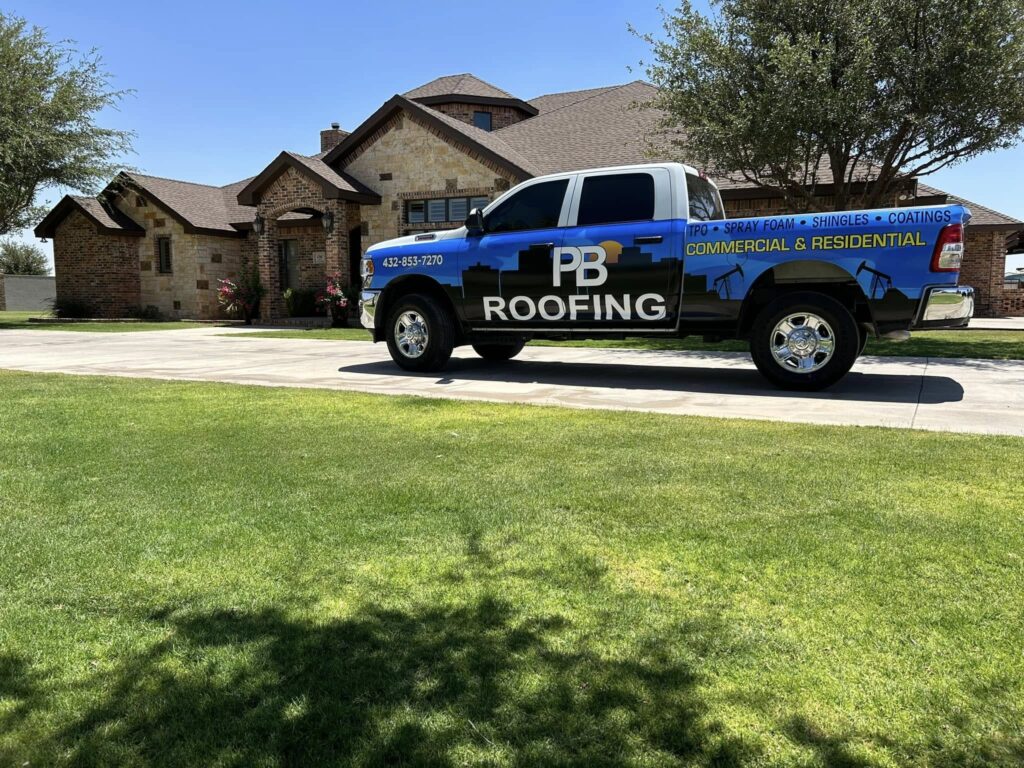
A Roof Inspection Protects Your Warranty and Insurance Claims
Documented roof inspections are powerful evidence when storm damage strikes. Insurance adjusters want to know if damage is new or old, storm caused or neglect caused. A dated inspection report from before the storm answers that question decisively. Claims backed by inspection records get approved faster and paid more fully. Homeowners without records often fight uphill battles over every line item. A simple inspection habit changes that entire dynamic in your favor.
Manufacturer warranties also depend on evidence of reasonable maintenance. IKO and Owens Corning, brands PB Roofing is a preferred contractor for, expect homeowners to address problems promptly. Inspection records prove you did exactly that. They also catch installation or ventilation issues before those issues can void coverage. A warranty is only valuable if it pays when you need it. Regular inspections keep yours enforceable.
PB Roofing structures its own guarantees to reward proactive homeowners. Every replacement we complete carries a four year labor warranty. Every repair you pay for earns full credit toward a future replacement, so maintenance spending is never wasted money. That combination makes it easy to do the right thing for your roof at every stage. Inspect regularly, repair promptly, and replace when the numbers say so. We built our policies to support that exact approach.
Why Choose PB Roofing for Your Roof Inspection
PB Roofing has earned an A+ rating with the Better Business Bureau by treating West Texas homeowners honestly. We tell you what your roof actually needs, not what pads an invoice. If a repair will do the job, we say so. If replacement is the smarter investment, we explain exactly why with photos and plain language. That straightforward approach is why our neighbors in Odessa and Midland keep calling us back. Trust is the foundation of everything we build.
Our credentials back up the promise. We are a preferred contractor for both IKO and Owens Corning, which means our installation standards meet the strictest manufacturer requirements. Every replacement job includes a four year labor warranty. Every estimate is free with zero obligation attached. Repair costs get fully credited toward a future replacement if you ever need one. Few roofers anywhere offer that combination of protection.
We are local, and that matters in this climate. Our crews live and work across the Permian Basin, from Kermit to Big Spring, and we understand what this weather does to a roof. When you call, you reach a company at 13311 W County Rd 122 in Odessa, not a call center three states away. Schedule your free roof inspection today by calling (432) 853-7270 or emailing seanjr@roofingpb.com. Considering a new roof entirely? Click here for our roof installation service and let us show you your options.