
How to File an Insurance Claim for Roof Hail Damage
Hail season in West Texas leaves thousands of homeowners with dented shingles, cracked vents, and leaking roofs every summer. Filing an insurance claim for roof hail damage can feel confusing if you have never done it before. Insurance companies have specific requirements, strict deadlines, and detailed inspection processes that catch many homeowners off guard. Missing a single step can delay your payout or get your claim denied entirely. The good news is that the process becomes simple once you understand how it works. From documenting the damage to meeting the adjuster, each stage has a clear purpose. Homeowners who prepare properly get faster approvals and better settlements. Here is exactly what you need to know to file a successful roof hail damage insurance claim in the Permian Basin.
Steps to File an Insurance Claim for Roof Hail Damage
The steps to file an insurance claim for roof hail damage follow a predictable order, and doing them in sequence protects your payout. Start by documenting everything you can see from the ground, then call a trusted local roofer for a professional inspection before you ever contact your insurance company. Once you have evidence in hand, notify your insurer, open the claim, and schedule the adjuster visit. Most policies in Texas require you to file within one year of the storm date, though some carriers allow two years. Waiting too long gives the insurance company grounds to argue the damage came from wear instead of hail. Acting within days of the storm keeps the timeline clean and the evidence fresh. Each step below breaks down what to do and why it matters. Follow them in order and your claim will be far stronger.
Document the Hail Damage Before You File an Insurance Claim
Documentation is the foundation of every successful roof hail damage insurance claim. As soon as the storm passes and conditions are safe, walk your property and photograph everything the hail touched. Take pictures of dented gutters, cracked window screens, damaged siding, and any hailstones on the ground next to a tape measure or coin for scale. Note the exact date and time of the storm, because your insurer will verify it against weather records. Check your air conditioner fins, mailbox, and vehicles too, since collateral damage helps prove hail actually hit your property. Interior photos matter as well, so capture any water stains on ceilings or walls. Save every image with timestamps intact. This evidence file becomes your first line of defense if the adjuster disputes the damage later.
Never climb onto the roof yourself to take photos, because walking on hail damaged shingles can make the damage worse and put your safety at risk. Instead, schedule a professional roof inspection with a local roofing contractor who documents hail strikes the right way. A trained roofer knows the difference between hail bruising, blistering, and normal granule loss, and insurance adjusters take that distinction seriously. Roofers mark hail hits with chalk, measure impact density per square, and photograph the evidence from every slope. They also inspect soft metals like vents, flashing, and ridge caps where hail leaves the clearest marks. This professional documentation often becomes the deciding factor in a contested claim. Many homeowners lose money simply because they filed with nothing but ground level photos. Get the inspection first and file second.
Keep a written record of everything from day one, because organized homeowners win claims that disorganized homeowners lose. Create a folder with your policy number, storm date, inspection report, photos, and every receipt related to the damage. If you made emergency repairs like tarping a leak, save those receipts because most policies reimburse reasonable temporary fixes. Write down the name, date, and summary of every phone call with your insurance company. Texas law gives you rights during the claims process, and a paper trail protects those rights. Detailed records also speed up the process, since adjusters approve well documented claims faster. Think of your documentation as building a case, because that is exactly what it is. Suspect hail damage on your roof? Click here for our roof repair service and get a free inspection before you file.

Contact Your Insurance Company to Start the Roof Hail Damage Claim
Once your documentation is ready, call your insurance company or file through their online portal to officially open the roof hail damage claim. Have your policy number, the storm date, and a summary of the visible damage ready before you dial. The representative will assign you a claim number, so write it down and reference it in every future conversation. Ask directly about your deductible amount, your coverage type, and any deadlines that apply to your claim. Texas insurers must acknowledge your claim within 15 days of receiving it, so mark that date on your calendar. Be factual and specific when describing the damage, and avoid guessing at causes or costs. Stick to what you and your roofer observed. Everything you say becomes part of the official claim record.
Understanding your policy type matters enormously at this stage, because it determines how much money you actually receive. Replacement cost value policies pay the full cost to replace your roof with new materials, minus your deductible. Actual cash value policies subtract depreciation based on your roof’s age, which can cut your payout in half on an older roof. Ask your representative which type you have and request a copy of your full policy if you do not have one. Also ask about your wind and hail deductible, since many Texas policies set it as a percentage of your home’s insured value rather than a flat dollar amount. A one percent deductible on a home insured for 300,000 dollars means 3,000 dollars out of pocket. Knowing these numbers early prevents surprises when the settlement check arrives. It also helps your roofer scope the repair to match your coverage.
Timing your call correctly can make or break the claim, so do not delay once you have your inspection report. Insurance companies get flooded with claims after major hailstorms, and early filers get adjuster appointments faster. Waiting weeks or months signals to the insurer that the damage might not be urgent or storm related. It also exposes your roof to secondary water damage that the insurer may refuse to cover, arguing you failed to mitigate. If a leak develops while you wait, the interior damage claim gets complicated fast. File promptly, request the earliest available adjuster date, and ask for written confirmation of your claim by email. Prompt action shows good faith and keeps your claim on solid legal footing. It also gets your roof fixed before the next storm rolls through.
Schedule the Adjuster Inspection for Your Roof Hail Damage Insurance Claim
The adjuster inspection is the single most important event in your roof hail damage insurance claim, because the adjuster’s report determines your payout. Your insurance company will send a field adjuster to examine the roof, usually within one to two weeks of filing. The adjuster climbs onto the roof, marks hail strikes, counts impacts within test squares, and photographs the damage. They also inspect gutters, vents, siding, and windows for collateral evidence. Their findings go into a written estimate using standardized pricing software. That estimate becomes the insurer’s offer for your claim. Everything rides on what the adjuster sees and records during that single visit. Preparation on your end directly affects the outcome.
Always have your roofing contractor present during the adjuster inspection, because this one decision changes outcomes more than any other. Adjusters work for the insurance company, and their job includes keeping payouts reasonable from the insurer’s perspective. A knowledgeable roofer on site can point out damage the adjuster might miss, like bruised shingles on a back slope or cracked pipe boots. Your roofer can also discuss repair scope in technical terms the adjuster respects. When the adjuster and contractor agree on damage in real time, disputes rarely happen later. If they disagree, your roofer’s documented inspection report gives you grounds to challenge the findings. Homeowners who attend these inspections alone often accept lowball scopes without realizing it. Bring your roofer and level the playing field.
After the inspection, the adjuster submits the report and your insurer issues a decision, usually within 15 business days under Texas law. If approved, you receive an estimate breaking down the covered repairs, your deductible, and any depreciation withheld. Review that estimate line by line with your contractor, because adjusters frequently omit items like drip edge, underlayment, or code required upgrades. You have the right to request a supplement if the estimate misses legitimate damage or underprices materials. If the claim is denied or underpaid, you can request a second inspection, invoke the appraisal clause in your policy, or file a complaint with the Texas Department of Insurance. Do not cash any check until you understand what it covers. Many settlements come in two payments, with recoverable depreciation released after the work is complete. Knowing this process keeps you in control from inspection to final payment.
What Insurance Companies Look for in a Roof Hail Damage Claim
Insurance companies evaluate every roof hail damage claim against specific criteria before approving payment. Adjusters look for functional damage, meaning hail impacts that shortened the life of the roof or broke its water shedding ability. They distinguish that from cosmetic damage, which some policies exclude entirely. Insurers also verify that a hail event actually occurred at your address on the date you reported, using weather data services that track storm paths street by street. They examine the age and condition of your roof, since pre existing wear complicates coverage. They review your policy language for exclusions, deductibles, and coverage limits. Understanding what the insurance company looks for helps you present your claim the way they need to see it. The sections below explain how adjusters verify damage, why claims get denied, and how payouts actually work.
How Adjusters Verify Hail Damage on a Roof Insurance Claim
Adjusters use a standardized method to verify hail damage during a roof insurance claim inspection. The most common approach is the test square, a marked 10 foot by 10 foot section on each roof slope. The adjuster counts qualifying hail hits within each square, and most insurers consider eight or more impacts per square sufficient to justify replacement of that slope. Qualifying hits show bruising, where the hail crushed the shingle mat beneath the granules, leaving a soft spot you can feel. Adjusters press these spots to check for fracture in the fiberglass mat. They also look for circular granule loss patterns that expose black asphalt underneath. Random scattered granule loss from aging does not count, but concentrated impact marks do. This distinction between hail bruising and normal wear decides most claims.
Soft metal inspection is the second verification method adjusters rely on, because metal does not lie about hail. Aluminum vents, flashing, gutters, downspouts, and air conditioner fins dent easily and hold the evidence permanently. Adjusters check these components first, since dented soft metals prove hail of damaging size struck the property. If the gutters show fresh dents but the shingles look clean, the adjuster may approve metal replacement but deny the roof. If both show impact, the whole claim strengthens. The size and density of the dents also indicate hailstone size, which adjusters compare against reported storm data. This is why documenting your gutters and vents matters as much as photographing shingles. Collateral damage builds the story the adjuster needs to approve your roof.
Weather verification runs in the background of every claim, and homeowners rarely see it happen. Insurers subscribe to hail tracking services that map storm swaths using radar data, hail sensor networks, and ground reports. When you file, the insurer checks that hail of sufficient size passed over your address on your reported date. If the data shows one inch hail at your home, your claim gains instant credibility. If the data shows no hail event, expect heavy scrutiny and a likely denial. This is why reporting the correct storm date matters so much. West Texas storms can drop hail on one street and miss the next, so precise dates and documentation protect you when radar data looks marginal. An experienced local roofer tracks these storms and can confirm which events hit your neighborhood.

Common Reasons a Roof Hail Damage Insurance Claim Gets Denied
Claim denials for roof hail damage usually trace back to a handful of preventable causes. The most common reason is late filing, where the homeowner waited past the policy deadline or long enough that the insurer attributes the damage to wear. The second is insufficient damage, meaning the adjuster found fewer qualifying hail hits than the threshold requires. The third is pre existing condition, where the insurer argues the roof was already failing before the storm. Poor maintenance falls into this category too, since insurers can deny claims on roofs with obvious neglect like missing shingles or exposed decking that predates the hail. Cosmetic damage exclusions catch metal roof owners especially often. Knowing these denial triggers in advance lets you build a claim that avoids them. Every denial reason has a documentation based defense.
Manufacturer defects and improper installation create another denial pathway that surprises many homeowners. If the adjuster finds shingles that were nailed incorrectly, blistered from manufacturing flaws, or installed over too many old layers, the insurer may pin the damage on workmanship instead of weather. Hail claims on roofs installed by unlicensed or out of town storm chasers face this problem constantly. Insurers keep records, and a roof with a history of shoddy repairs invites scrutiny. This is one more reason to use an established local contractor for every installation and repair. Quality workmanship with documented materials gives the insurer nothing to blame except the hail. If your roof is older and has been patched repeatedly, a full replacement claim may face resistance. In that case, a detailed contractor report separating storm damage from wear becomes essential.
A denial is not the end of your claim, and Texas homeowners have real options to fight back. Start by requesting the denial in writing with the specific policy language the insurer relied on. Then have your roofing contractor perform a detailed re inspection and prepare a rebuttal report with photos and impact counts. You can request a different adjuster, since second inspections reverse denials more often than people expect. If the dispute continues, invoke the appraisal clause in your policy, which brings in independent appraisers to settle the value. You can also file a complaint with the Texas Department of Insurance, which insurers take seriously. Public adjusters and attorneys are options for large disputed claims. Most denials get overturned with better documentation, so never accept the first no as final. Storm damage does not wait, and neither should you; click here for our roof replacement service if your roof needs more than a patch.
Understanding Your Payout After a Roof Hail Damage Insurance Claim Is Approved
An approved roof hail damage insurance claim rarely arrives as one simple check, and understanding the payment structure prevents costly confusion. Most replacement cost value policies split the settlement into two payments. The first check covers the actual cash value, which is the replacement cost minus depreciation and minus your deductible. The second check releases the recoverable depreciation after you complete the work and submit the final invoice. This structure exists so insurers only pay full value on roofs that actually get replaced. If you pocket the first check and never do the repairs, you forfeit the depreciation, which can be thousands of dollars. Some homeowners do not realize this and lose a huge portion of their settlement. Read your estimate carefully and ask your insurer to explain each line.
Your deductible comes out of your pocket, and Texas law is strict about this point. It is illegal for a contractor to waive, absorb, or rebate your deductible, and any roofer offering to do so is breaking state law under Texas House Bill 2102. Contractors who play deductible games often cut corners on materials to make up the difference, leaving you with a roof that fails early. Insurers can also deny your depreciation payment if they discover deductible fraud on the invoice. Budget for your deductible as a real expense from the start. A reputable contractor will document the full job cost honestly and help you get every legitimate dollar from the insurer instead. Honest paperwork protects your warranty, your payout, and your legal standing. Anyone who suggests otherwise is putting your claim at risk.
Supplements are the final piece of the payout puzzle, and they recover money the original estimate missed. Adjusters write estimates quickly, and they frequently leave out items like ice and water shield, ridge vents, drip edge, flashing replacement, or costs to meet current building code. When your contractor opens the roof and finds hidden decking damage, that discovery justifies a supplement too. Your roofer submits the supplement request with photos and pricing, and the insurer reviews and pays the difference. Experienced contractors handle supplements routinely and know exactly what documentation carriers require. This process often adds meaningful money to underpaid claims. Never assume the first estimate is the final word. A thorough contractor makes sure the insurance pays for a complete roof, not a partial one.
Why You Need a Local Roofer for Your Roof Hail Damage Insurance Claim
A local roofer is the strongest ally you can have during a roof hail damage insurance claim. Out of town storm chasers flood West Texas after every major hail event, collect deposits, do rushed work, and disappear before warranty problems surface. A local contractor answers the phone next year and the year after. Local roofers also know which storms hit which neighborhoods, which materials survive Permian Basin weather, and how regional adjusters evaluate damage. They meet the adjuster on your roof and advocate for a complete scope. From the first inspection to the final depreciation check, a trusted local roofer keeps your claim on track.
A Professional Roof Inspection Strengthens Your Hail Damage Insurance Claim
A professional roof inspection gives your hail damage insurance claim credibility that homeowner photos cannot match. Trained inspectors identify functional hail damage, measure impact density, and document every slope with dated photographs. They catch subtle bruising that untrained eyes miss completely. Adjusters respect detailed contractor reports and approve claims faster when the evidence is organized professionally. An inspection also establishes the roof’s condition on record before any dispute begins. That baseline protects you through every stage of the claim.
Inspections also protect you from filing claims you should not file. Not every hailstorm causes functional damage, and filing a claim that gets denied still goes on your insurance record. Multiple denied or minor claims can raise your premiums or complicate future coverage. An honest roofer tells you when the damage does not justify a claim and recommends a minor repair instead. That honesty saves you money and preserves your claims history for when you truly need it. Free inspections make this a zero risk decision for any homeowner.
Timing the inspection right after a storm captures the freshest evidence. Hail marks weather and fade as granules shift and metal oxidizes, making older damage harder to prove. An inspection within days of the storm locks in the strongest possible documentation. It also catches active leaks before they cause interior damage. West Texas hail season peaks from spring through summer, so schedule inspections promptly after every significant storm. Fresh evidence wins claims that stale evidence loses.
Roofers Help You Navigate the Insurance Claim Process After Hail Damage
Roofers who work insurance claims daily know the process better than most homeowners ever will. They speak the adjuster’s language, use the same estimating software, and understand exactly what documentation each carrier requires. That expertise turns a confusing bureaucratic process into a managed project. Your roofer handles the technical arguments so you handle only the decisions. Claims move faster and settle higher with professional guidance. Homeowners going it alone leave money on the table constantly.
Meeting the adjuster is where your roofer earns their value most visibly. During the inspection, your contractor walks the roof alongside the adjuster and points out every qualifying impact. They discuss scope in real time and resolve disagreements before they become formal disputes. If the adjuster’s estimate comes back short, your roofer prepares the supplement with photos and line item pricing. This back and forth continues until the settlement covers a complete, code compliant roof. You never have to argue technical roofing details yourself.
Good contractors also manage the paperwork through final payment. They provide the certificates of completion insurers require to release recoverable depreciation. They document material invoices, permit records, and warranty registrations. Every document arrives on time and in the format the carrier expects. That diligence gets your second check released without delays. The claim closes cleanly, and your new roof comes with full documentation for future resale value.
Why Choose PB Roofing for Your Roof Hail Damage Insurance Claim
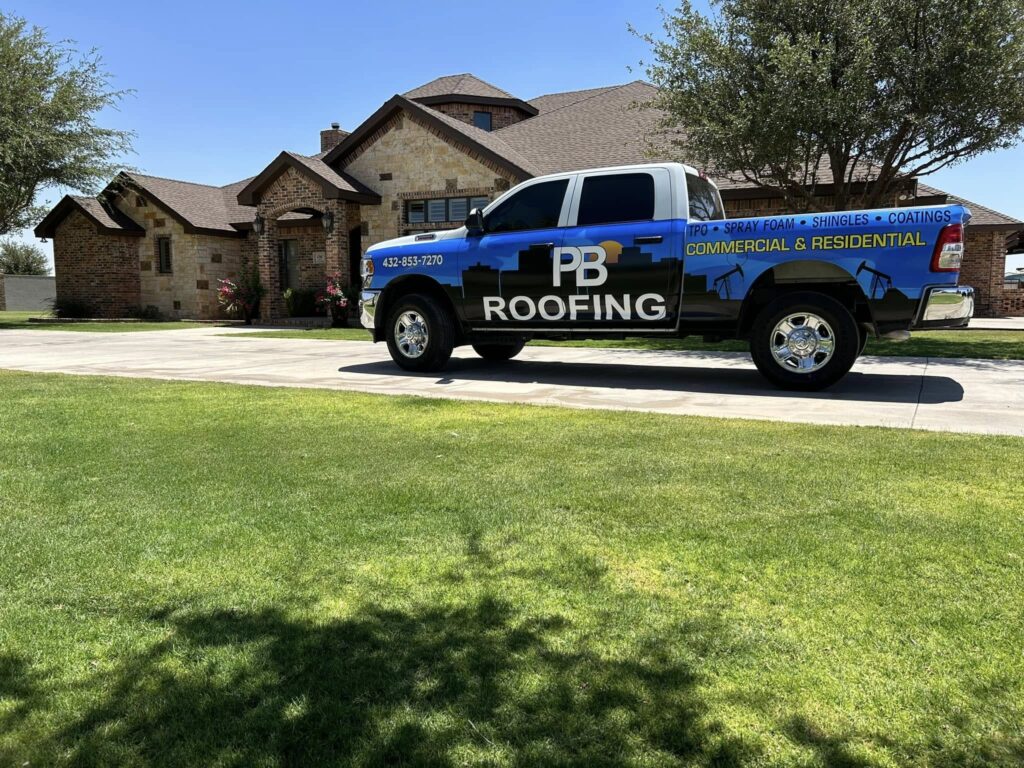
PB Roofing has helped homeowners across the Permian Basin recover from hail damage with honest inspections and expert claim support. We hold an A+ rating with the Better Business Bureau, earned through years of straight answers and quality work. We are a preferred contractor for both IKO and Owens Corning, which means factory backed materials and enhanced warranty options on your new roof. Our team meets your adjuster on site and fights for a complete scope. We know West Texas storms because we live under them too. Local accountability is the foundation of everything we do.
Every replacement job from PB Roofing comes with a four year labor warranty, so our workmanship stands behind your investment long after the insurance claim closes. Every project starts with a free estimate and no obligation, so you can get answers before spending a dime. Our Roof Repairs Paid Forward program applies the full cost of any repair as credit toward a future replacement. That means a hail repair today never becomes wasted money tomorrow. We serve Midland, Odessa, and communities across the Basin. Storm chasers cannot match that kind of commitment.
Hail does not wait, and neither should your claim. Call PB Roofing today at (432) 853-7270 for a free hail damage inspection and expert help with your insurance claim. You can also reach us at seanjr@roofingpb.com or visit us at 13311 W County Rd 122, Odessa, TX 79765. We will document the damage, meet your adjuster, and restore your roof the right way. Get your free estimate now and file your claim with confidence. Your roof protects everything under it, so protect your roof with a team that answers the phone.