
Hail Damage Roof Repair in the Permian Basin: A West Texas Homeowner’s Guide
Few things test a roof like a West Texas hailstorm. Across the Permian Basin, spring and early summer bring sudden, hard-hitting storms that can drop hail the size of golf balls in a matter of minutes, and the damage they leave behind is not always easy to see from the ground. If you own a home or business in Odessa, Midland, Andrews, or anywhere in between, knowing how hail affects your roof and what to do afterward can save you thousands of dollars and a great deal of stress.
How Hail Damages a Roof
Hail does its worst work on the surface layer of your roof. On asphalt shingles, impact knocks loose the protective granules that shield the underlying material from the sun. Once those granules are gone, the exposed asphalt begins to dry out, crack, and break down far faster than it should. The result is a roof that may look intact for now but ages years in a single season.
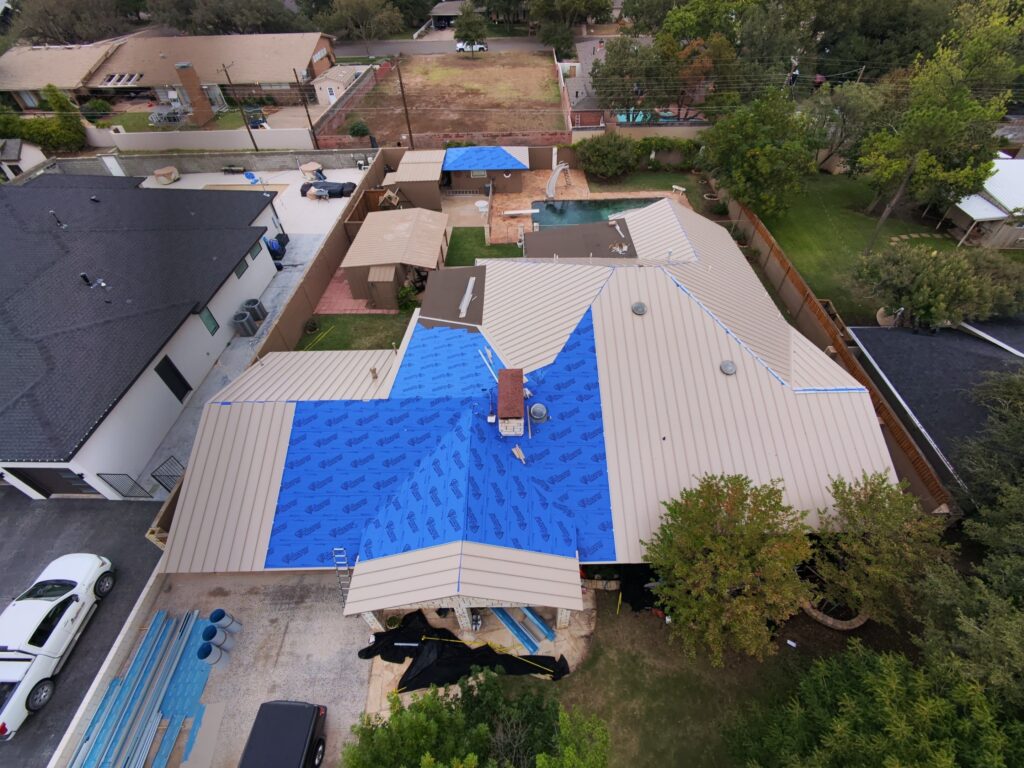
Hail also bruises shingles, creating soft spots where the mat underneath has fractured. These bruises often go unnoticed until they turn into leaks. Metal components like flashing, vents, and gutters can dent or loosen, opening gaps where water sneaks in. Even a storm that seems mild can leave behind damage that quietly shortens the life of your roof.
Signs of Hail Damage to Watch For
After a storm, look for these warning signs:
- Granules collecting in your gutters or at the bottom of downspouts
- Dark or shiny spots on shingles where granules have been knocked away
- Dents or dimples on metal flashing, vents, or gutters
- Cracked, split, or missing shingles
- Water stains on ceilings or in the attic in the days after a storm
The tricky part is that much hail damage is not visible from the driveway. Bruising and granule loss often need a trained eye and a close-up inspection to catch, which is why a professional look after any significant storm is worth the time.
Why You Should Not Wait
It is tempting to put off dealing with a roof that still looks fine, but hail damage rarely stays still. Small fractures spread, exposed asphalt deteriorates, and what could have been a simple repair becomes a full replacement. Waiting can also complicate insurance claims, since many policies have time limits for reporting storm damage. The sooner you have the roof inspected, the more options you keep open.
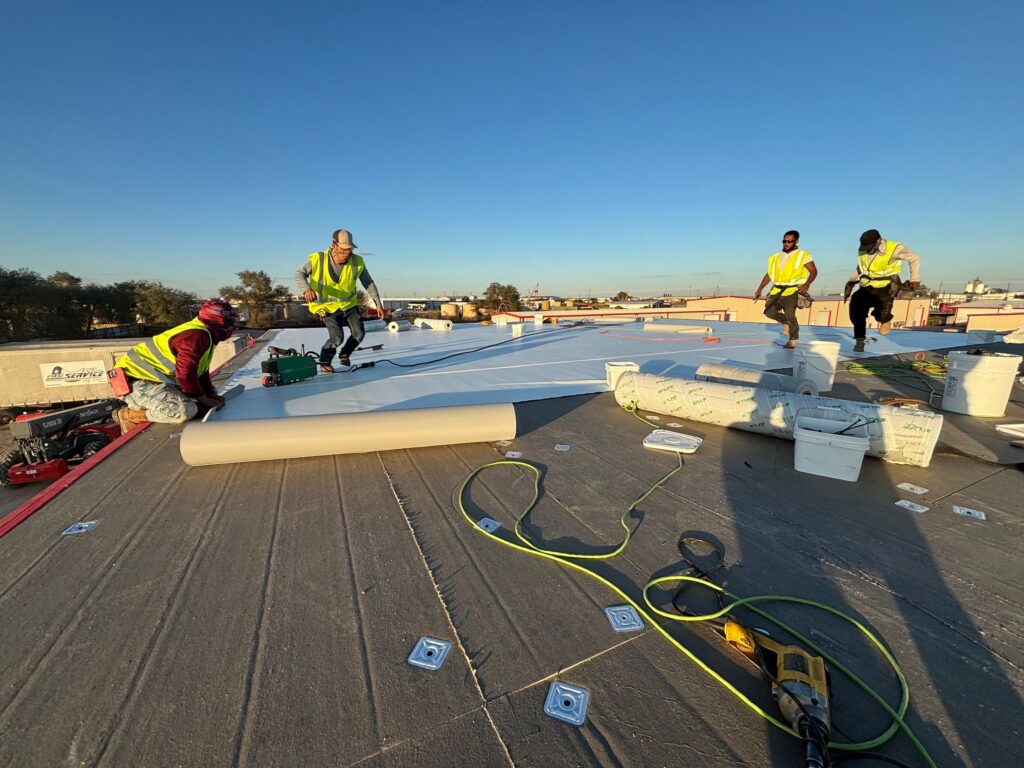
There is also the matter of what hides beneath the surface. A bruised or cracked shingle does not have to leak today to be a problem. Once water finds even a pinhole opening, it travels into the decking, the underlayment, and eventually the insulation and ceilings below. By the time a stain appears indoors, the damage has usually spread well beyond the original impact point, turning a roofing issue into a drywall, mold, and structural issue all at once. Catching the breach early keeps the problem on the roof, where it is cheapest and easiest to fix.
Timing matters for your wallet in another way too. Most homeowners’ insurance policies set deadlines for reporting storm damage, and waiting too long can give an insurer grounds to deny an otherwise valid claim. The fresher the damage, the easier it is to tie it directly to a specific storm, which strengthens your case. Scheduling an inspection soon after a hailstorm protects both your roof and your ability to get the repair covered, so the sooner you act, the more options you keep open.
Hail Damage and Your Insurance Claim
For many West Texas homeowners, the biggest question after a hailstorm is not whether the roof is damaged but how the repair will be paid for. The good news is that most standard homeowners’ policies cover hail and storm damage. The less welcome news is that navigating a claim can feel overwhelming if you have never done it before. Understanding the basics ahead of time makes the whole process smoother and helps ensure you receive the coverage you are entitled to.
The process usually begins with documentation. After a storm, a professional inspection produces a clear record of the damage, including photos and notes on every affected area, and that record becomes the foundation of your claim. From there you file with your insurance company, which will typically send an adjuster out to assess the roof. Having a knowledgeable roofer present during that visit can make a real difference, since they can point out damage an adjuster might miss and help make sure the scope of the claim reflects the true condition of the roof.
It also helps to understand a few key terms before you start. Your deductible is the amount you pay out of pocket before coverage kicks in, and you should be cautious of any contractor who offers to waive or absorb it, since that practice is often a sign of fraud. Many policies in hail-prone regions are written as replacement cost value, meaning they pay to replace damaged materials with new ones, while others are actual cash value policies that factor in depreciation. Knowing which type you carry shapes what to expect from a payout and helps you avoid surprises down the line.
What Repair Looks Like With PB Roofing
When you call PB Roofing after a storm, we start with an honest, no-pressure inspection. We check the shingles, flashing, valleys, and vents for impact damage, then walk you through exactly what we find. If the damage is limited to a section, we repair that area and leave the sound roofing in place. If the storm has compromised the roof more broadly, we will tell you straight and lay out your options, including help understanding how the damage fits into an insurance claim.
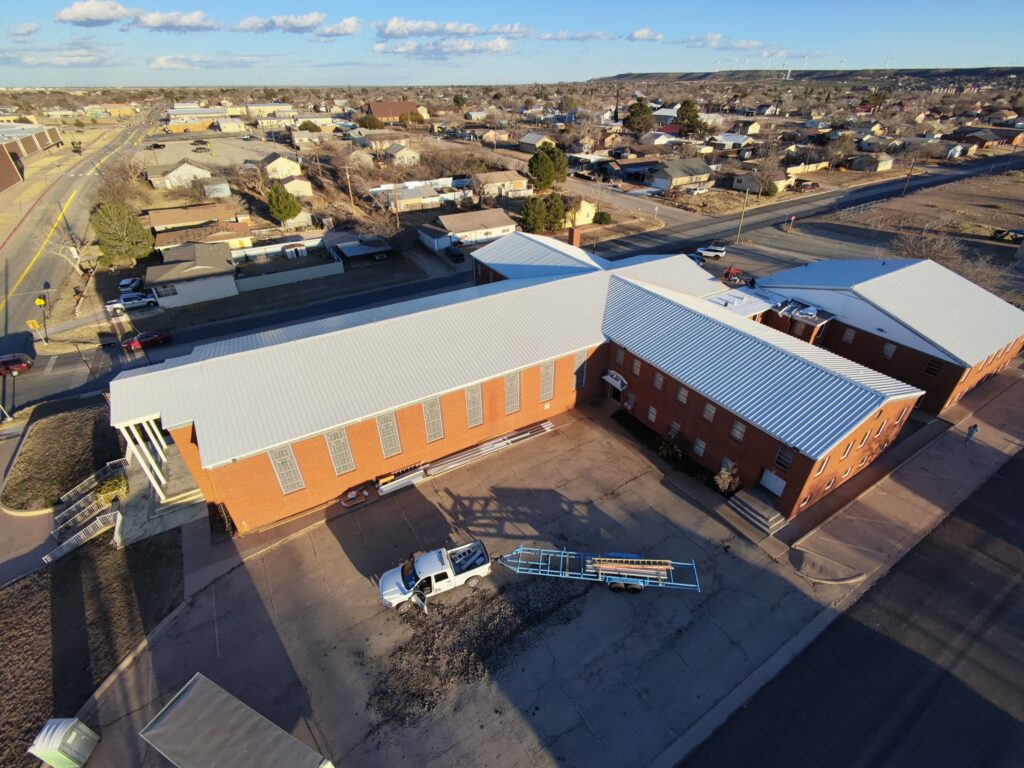
Every repair is backed by our 5-year workmanship warranty, and our crews are background checked and manufacturer certified, so you know the people on your roof are trained and trustworthy.
The repair work itself is handled by crews who know West Texas roofs and the storms that batter them. We match new shingles and components to your existing roof as closely as possible, seal everything properly, and recheck the surrounding area for the weak spots that tend to fail in the next storm. When the job is done, we clean the site thoroughly and run a magnet sweep across the yard to pull up stray nails, so your property is left as tidy as we found it. Because we are local and Odessa based, we can respond quickly when a storm hits the Permian Basin, and we are still here long after the work is finished if you ever need us again.
The best time to deal with hail damage is right after it happens, before the next storm makes it worse. If a recent storm has rolled through your area, schedule a free inspection with PB Roofing today. Call (432) 853-7270 and let the team the Permian Basin trusts take a look before a small problem becomes an expensive one.